
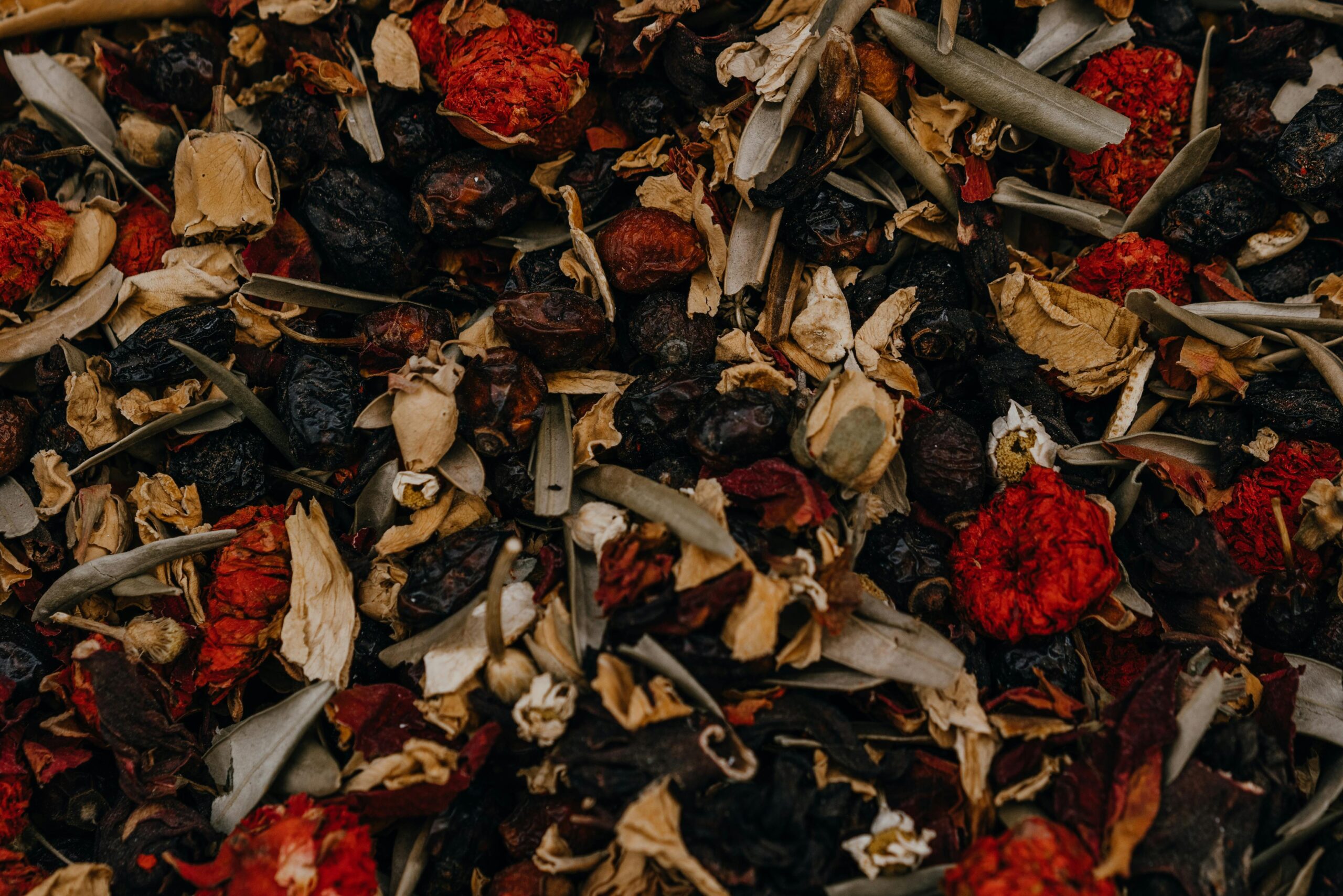
Harvesting and Storing Herbs: Mistakes to Avoid + Tips for Perfect Preservation
If you grow or forage your own herbs, knowing how to dry herbs and store them properly is essential for flavor, potency, and shelf life. The wrong harvesting or preservation method can leave your herbs bland, moldy, or even unusable. Here’s a complete guide to drying herbs, preserving herbs, and avoiding common mistakes so your herbal apothecary stays stocked with quality ingredients.
1. Harvesting Herbs — What to Do and Not to Do
✅ Do:
- Harvest at the right time of day — Pick herbs in the morning after the dew has dried but before the sun is too hot.
- Choose peak growth — Harvest just before flowering for the best flavor and highest oil content.
- Use clean, sharp tools — Prevent bruising or tearing the leaves.
❌ Don’t:
- Don’t harvest after heavy rain — Moisture can lead to mold during drying.
- Don’t strip the whole plant — Always leave enough growth so the plant can recover.
- Don’t pull leaves from dirty or polluted areas if foraging.
2. Drying Herbs — Tips for Maximum Flavor and Potency
Best Methods:
- Air drying — Tie small bunches with string and hang upside down in a warm, dry, well-ventilated area away from sunlight.
- Screen drying — Spread herbs in a single layer on a mesh screen to improve airflow.
- Dehydrator — Use a low temperature (95–115°F / 35–46°C) to prevent oil loss.
Avoid These Mistakes:
- ❌ Direct sunlight — Causes color fading and loss of essential oils.
- ❌ High heat — Speeds drying but reduces flavor and potency.
- ❌ Overcrowding — Leaves and flowers need space for air circulation.
3. Storing Herbs — How to Preserve Freshness
✅ Do:
- Store in airtight glass jars or tins.
- Label with name and harvest date.
- Keep in a cool, dark cupboard away from heat and humidity.
❌ Don’t:
- Don’t store herbs in plastic bags long-term — They trap moisture and cause mold.
- Don’t keep them near the stove or in sunlight.
- Don’t forget to replace herbs every 12 months — Even dried herbs lose potency over time.
4. Extra Preservation Tips & Tricks
- Freezing herbs: Chop fresh herbs, place in ice cube trays, and cover with olive oil or water. Perfect for cooking.
- Herbal salt blends: Mix dried herbs with sea salt to lock in flavor and make seasoning easy.
- Herbal infused oils: Store in dark glass bottles and use within 6 months.
5. Common Questions About Drying and Preserving Herbs
Q: Can I dry herbs in the oven?
A: Yes, but keep the temperature low (under 180°F / 80°C) and the door slightly open to prevent overheating.
Q: How do I know if my herbs are completely dry?
A: Leaves should crumble easily and stems should snap when bent.
Q: Which herbs are best for drying?
A: Rosemary, thyme, oregano, sage, lavender, and mint all retain flavor well.
Final Tip
Learning how to dry herbs and store them properly is one of the most important skills for any herbalist or home gardener. By avoiding these mistakes and using proper herb preservation methods, you’ll enjoy fresh, flavorful, and potent herbs all year round.
Keywords included: drying herbs, how to dry herbs, preserving herbs, storing herbs, herb preservation, harvest herbs, home apothecary