
The Ultimate Anti-Inflammatory Food List: Easy Guide to Reducing Inflammation
Inflammation is your body’s natural defense against injury, toxins, and infection — a short-term healing process that helps you recover. But when inflammation becomes chronic (lasting weeks, months, or even years), it can quietly damage healthy cells and tissues.
Chronic inflammation has been linked to arthritis, heart disease, type 2 diabetes, Alzheimer’s, digestive disorders, and even certain cancers. It can also cause fatigue, joint pain, bloating, and skin problems.
The good news? Your daily food choices can play a big role in lowering inflammation naturally. By following an anti-inflammatory diet, you can protect your cells, reduce the risk of chronic illness, and boost your overall well-being.
Below is a simple, category-based list of foods to reduce inflammation that you can start adding to your meals today.
1. Fruits – Sweet & Full of Antioxidants
Fruits are rich in vitamins, minerals, and phytonutrients that help fight inflammatory processes.
- Berries – Blueberries, strawberries, raspberries, blackberries
- Cherries – Especially tart cherries, great for joint pain
- Citrus – Oranges, grapefruits, lemons, limes (vitamin C)
- Apples – Rich in quercetin, a natural anti-inflammatory
- Pineapple – Contains bromelain, supports healing
2. Vegetables – Colorful Nutrient Powerhouses
Vegetables provide antioxidants, fiber, and compounds that help regulate the immune system.
- Leafy Greens – Spinach, kale, Swiss chard
- Cruciferous Veggies – Broccoli, Brussels sprouts, cauliflower
- Root Vegetables – Sweet potatoes, carrots, beets
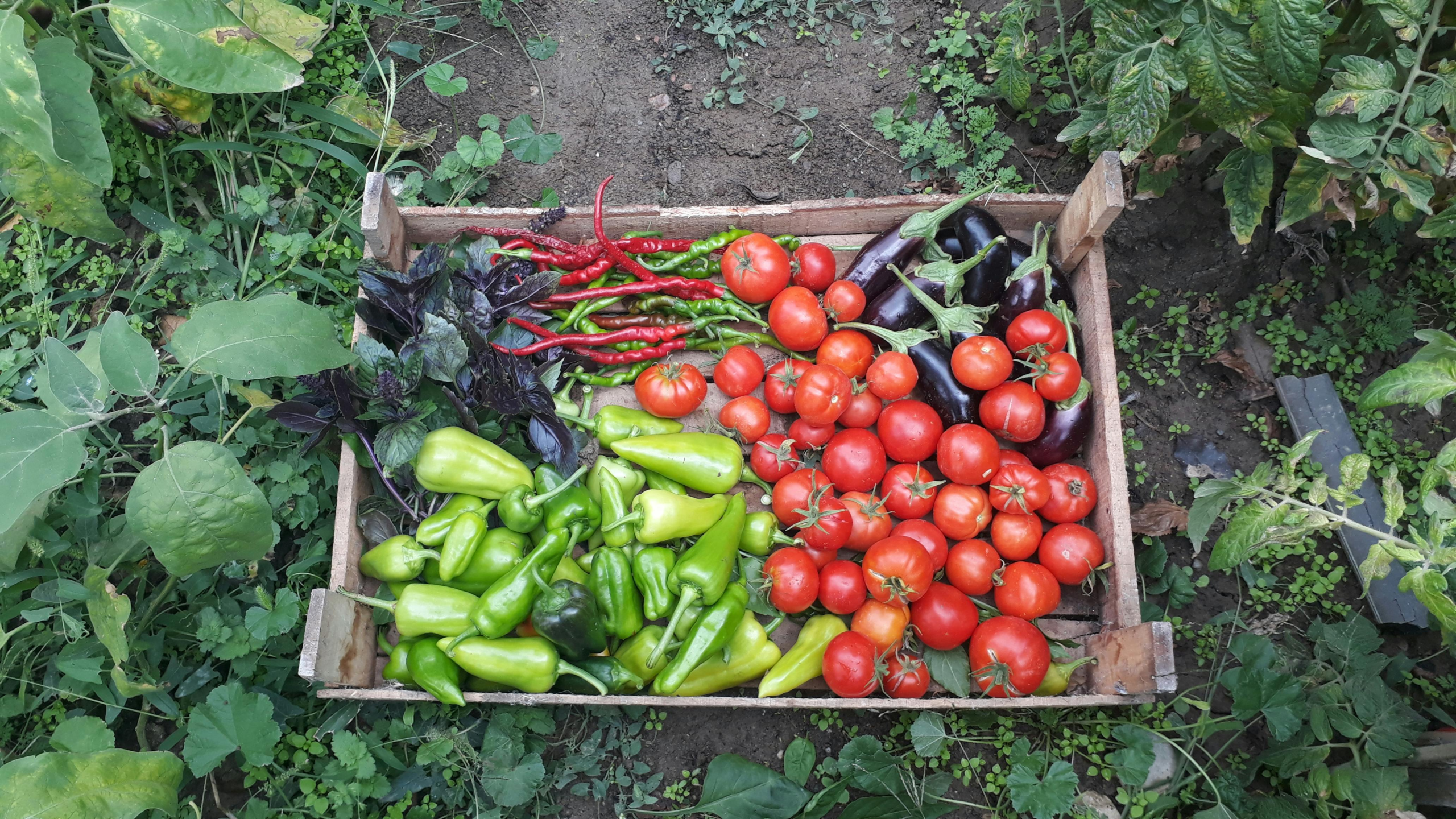
- Peppers – Bell peppers, chili peppers (capsaicin reduces inflammation)
3. Healthy Fats – Essential for Healing
Healthy fats reduce inflammation markers and support brain and heart health.
- Olive Oil – Extra virgin, cold-pressed
- Avocados – Healthy monounsaturated fats
- Nuts – Almonds, walnuts, pistachios
- Seeds – Chia seeds, flaxseeds, hemp seeds
- Fatty Fish – Salmon, mackerel, sardines, trout (omega-3s)
4. Herbs & Spices – Nature’s Medicine Cabinet
These are concentrated sources of anti-inflammatory compounds.
- Turmeric – Curcumin fights inflammation; best with black pepper
- Ginger – Supports digestion and eases muscle soreness
- Garlic – Boosts immunity and lowers inflammation
- Cinnamon – Balances blood sugar and reduces swelling
- Rosemary – High in antioxidants
5. Whole Grains & Legumes – Fiber for Gut Health
A healthy gut supports a healthy immune system and reduces chronic inflammation.
- Oats – Steel-cut or rolled oats
- Brown Rice – Whole grain, unprocessed
- Quinoa – High in protein and fiber
- Lentils & Beans – Chickpeas, black beans, kidney beans
6. Drinks – Hydrate & Heal
- Green Tea – Catechins reduce oxidative stress and inflammation
- Herbal Teas – Chamomile, peppermint, rooibos
- Water – Hydration helps regulate inflammatory processes
Foods to Avoid for Lower Inflammation
If you want to reduce inflammation naturally, limit these:
- Processed meats
- Refined carbs (white bread, pastries)
- Sugary drinks
- Excess alcohol
- Deep-fried foods
- Trans fats (often in packaged snacks)
Simple Tips for an Anti-Inflammatory Diet
- Fill half your plate with vegetables and fruits.
- Swap refined carbs for whole grains.
- Use herbs and spices daily.
- Eat fatty fish 2–3 times a week.
- Stay hydrated and limit processed foods.
Final Word:
A well-balanced anti-inflammatory diet is about adding more healing foods rather than focusing only on restriction. Over time, these choices can help protect your cells, reduce pain, and boost your energy — making it one of the most powerful long-term wellness habits you can adopt.
Keywords included: anti inflammatory diet, inflammation food, lowering inflammation, foods to reduce inflammation, natural anti-inflammatory foods, anti-inflammatory fruits and vegetables, foods for joint pain, reduce inflammation naturally