
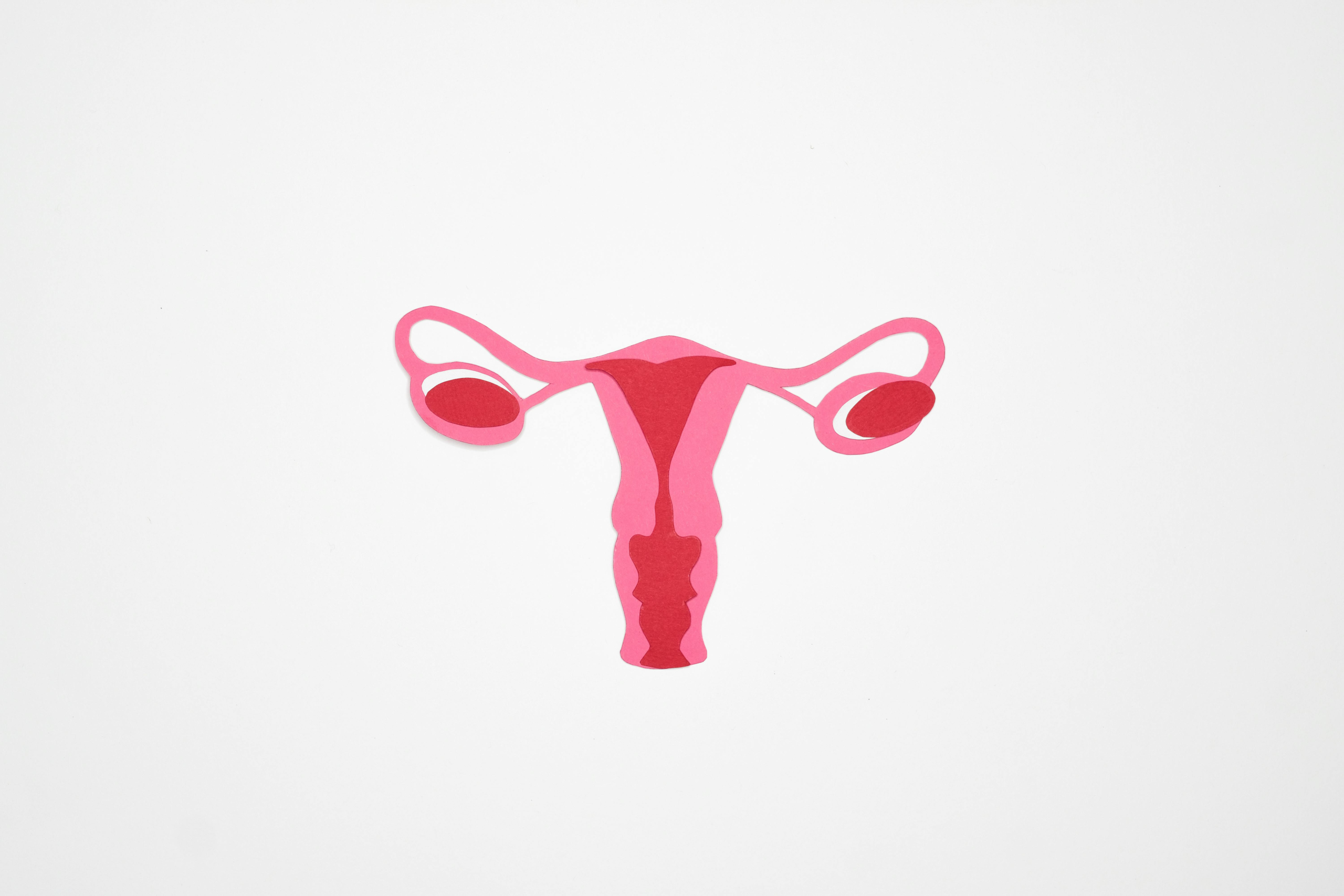
Signs You Could Have PCOS (Polycystic Ovary Syndrome)
Polycystic Ovary Syndrome (PCOS) is a common hormonal disorder that affects how the ovaries work. It’s one of the leading causes of irregular menstrual cycles and can impact fertility, metabolism, and overall health.
According to the CDC, PCOS affects 6–12% of women of reproductive age.
PCOS is diagnosed when at least two of the following three criteria are met (Rotterdam criteria):
- Irregular or absent ovulation (leading to irregular periods)
- Signs of excess androgens (male hormones) — either through symptoms or blood tests
- Polycystic ovaries seen on ultrasound
Common Signs and Symptoms of PCOS
1. Irregular or Missed Periods
- Menstrual cycles longer than 35 days
- Fewer than 8 periods in a year
- Very light or unusually heavy bleeding
2. Excess Hair Growth (Hirsutism)
- Dark, coarse hair on the face, chest, back, or stomach
- Caused by higher levels of androgens (male hormones)
3. Acne and Oily Skin
- Persistent acne on the face, chest, or back
- Often resistant to typical acne treatments
4. Scalp Hair Thinning (Female-Pattern Hair Loss)
- Gradual thinning on the top of the head or widening part line
5. Weight Gain or Difficulty Losing Weight
- Especially around the abdomen
- Linked to insulin resistance, which is common in PCOS
6. Darkened Skin Patches (Acanthosis Nigricans)
- Velvety, dark patches often found on the neck, underarms, or groin
- Caused by high insulin levels
7. Skin Tags
- Small, soft growths on the neck, underarms, or other skin folds
8. Fertility Problems
- Difficulty getting pregnant due to irregular ovulation or no ovulation
9. Pelvic Pain
- Can occur during ovulation or around periods
- Sometimes linked to ovarian cysts
Important Notes About PCOS Symptoms
- Not everyone with PCOS will have all these symptoms.
- Symptoms can vary from mild to severe.
- Some women with PCOS have regular periods but still show other signs like excess hair growth or cystic ovaries.
- PCOS symptoms can also overlap with other conditions, so a proper medical evaluation is essential.
When to See a Doctor
If you experience two or more of these signs — especially irregular periods and excess hair growth — it’s important to see a healthcare provider. Diagnosis usually involves:
- Medical history review
- Physical examination
- Blood tests to check hormone levels
- Ultrasound to examine the ovaries
Final Word:
PCOS is manageable, especially when diagnosed early. Treatment can include lifestyle changes, medication to regulate cycles, and management of symptoms like acne or hair growth. If you notice signs that match the ones above, a healthcare provider can give you the right testing and a treatment plan tailored to your needs.