Chamomile: Benefits, Uses, and How to Harvest and Dry It
Chamomile is one of the oldest and most popular medicinal plants in Europe. Whether enjoyed as a soothing tea for digestive issues, a steam bath for colds, or a calming addition to a warm bath, chamomile is a versatile natural remedy. This guide explains how to harvest chamomile, dry it correctly, and use it effectively for health and wellness.
Benefits of Chamomile
Chamomile (Matricaria chamomilla) contains essential oils, flavonoids, and coumarins, which are known for their anti-inflammatory, antibacterial, and calming properties. The most common uses include:
- Digestive support – Chamomile tea can help relieve cramps, bloating, and irritation.
- Skin and mucous membrane care – Steam baths with chamomile ease cold symptoms, while chamomile baths soothe irritated skin.
- Wound healing – Chamomile compresses can reduce bacteria and promote faster healing of minor wounds.
- Relaxation and sleep support – Chamomile can help calm the nervous system and promote restful sleep.
Harvesting Chamomile – The Right Time
Chamomile flowers typically bloom from May to September. The best time to harvest is on a sunny morning after the dew has dried.
How to harvest:
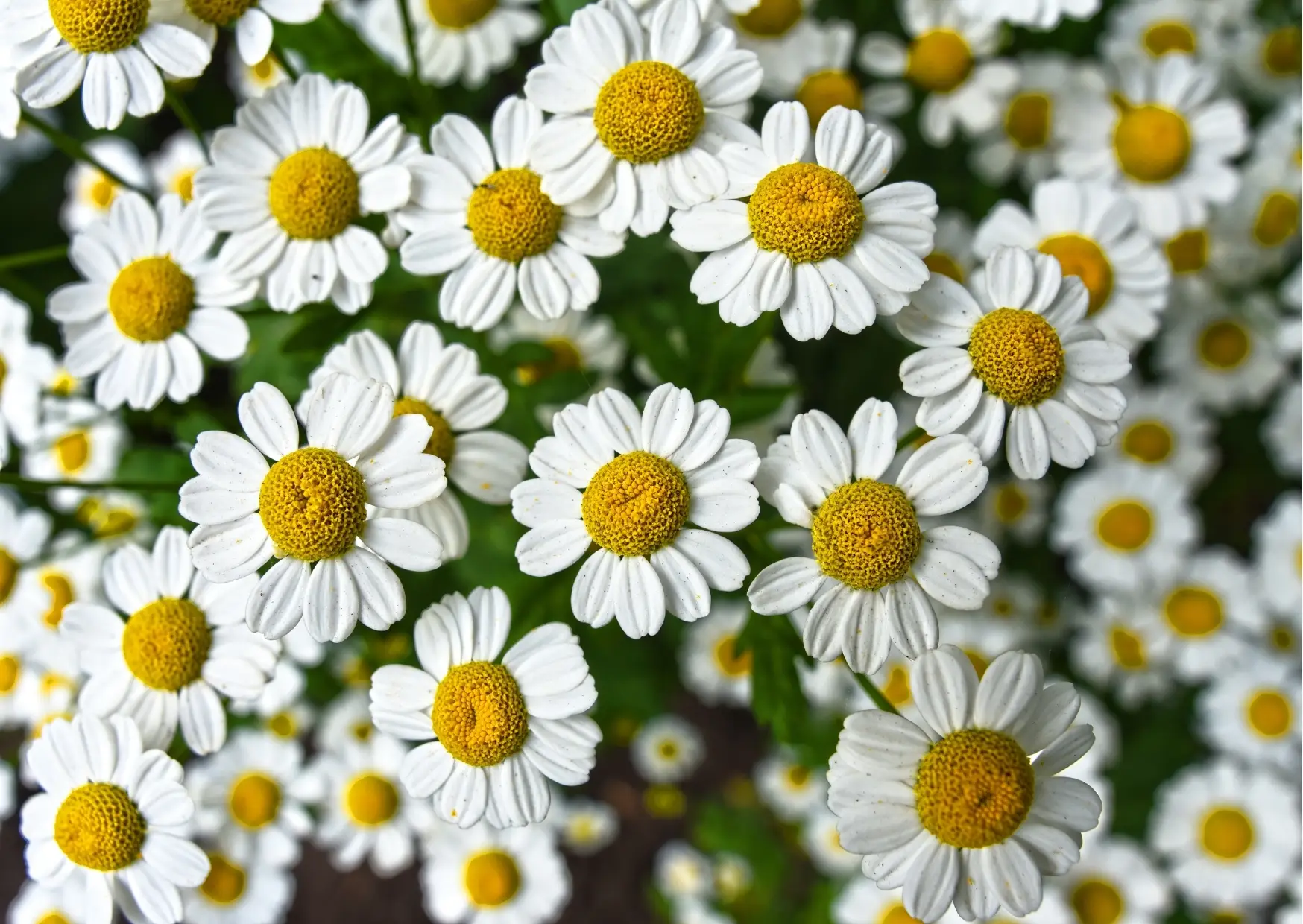
- Select fully open flowers, where the white petals point slightly downward, and the yellow center is dome-shaped.
- Cut or gently pinch off the flower heads using your fingers or small scissors.
- Avoid damaged or damp flowers.
Tip: Use a flat basket or cloth to collect flowers to prevent them from getting crushed.
How to Dry Chamomile Properly
To retain chamomile’s valuable active compounds, gentle drying is essential.
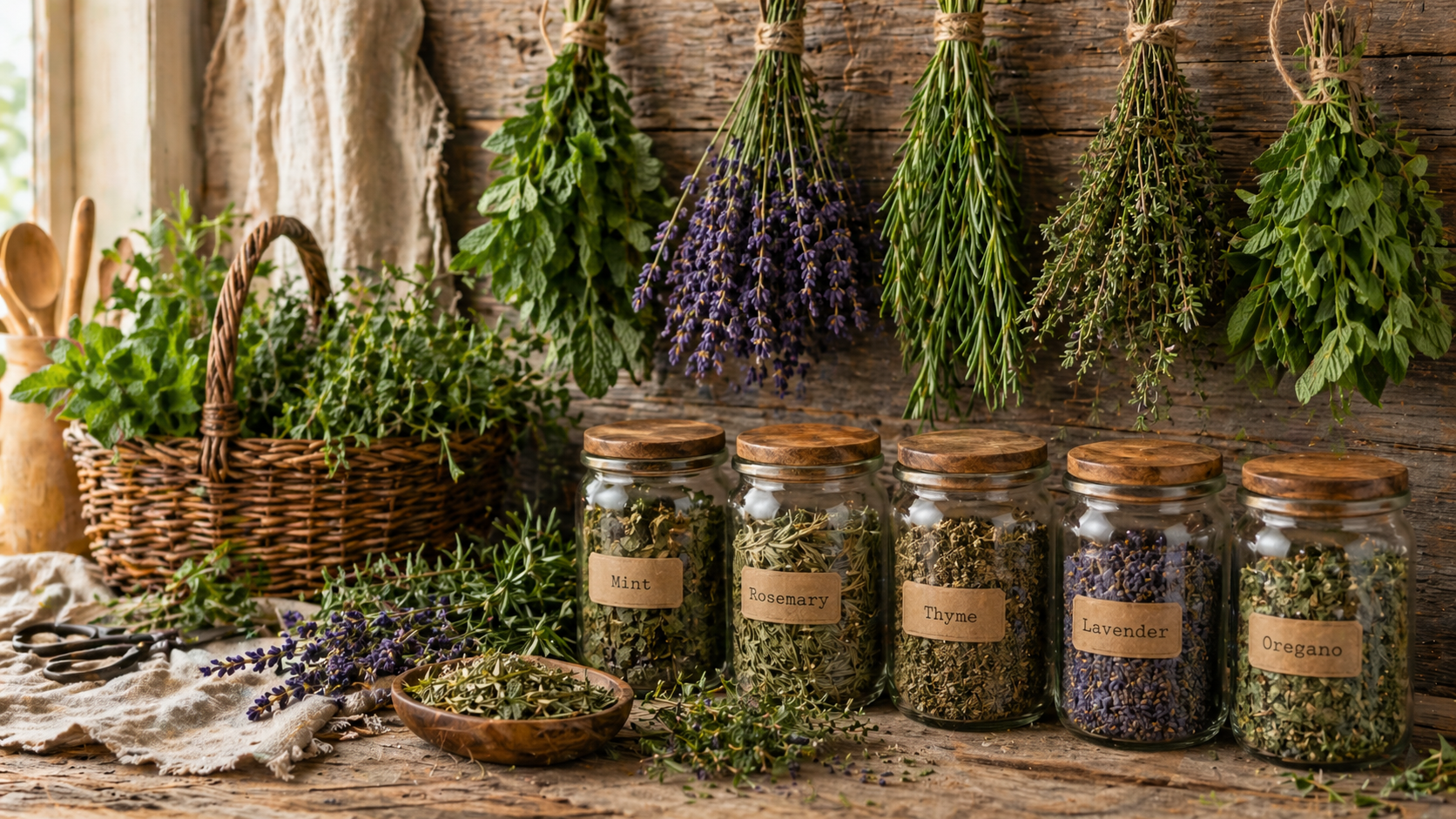
- Spread the flowers out in a shady, well-ventilated place on a cloth or fine mesh screen.
- Turn them gently each day to prevent mold.
- After 7–10 days, the flowers should be crisp and dry to the touch.
- Store the dried chamomile in an airtight container in a cool, dark place.
How to Use Chamomile
Chamomile Tea:
- 1–2 teaspoons of dried chamomile flowers
- Pour over 250 ml of hot (not boiling) water
- Steep for 5–10 minutes, strain, and enjoy
Other uses:
- Steam bath – Place 2 tablespoons of chamomile flowers in a bowl of hot water, lean over it, and cover your head with a towel.
- Chamomile bath – Fill a small fabric bag with a handful of chamomile flowers, place it in boiling water for a few minutes, then add it to bathwater.
- Compresses – Soak a clean cloth in chamomile tea and apply to wounds or inflamed skin areas.
Conclusion
Chamomile is a simple yet powerful medicinal plant that can be grown, harvested, and used at home. Whether enjoyed as tea, a steam bath, or a bath soak, its beneficial effects are both gentle and effective. If you are looking for a natural way to support health and relaxation, chamomile is an excellent choice.