How and When to Cut Lavender for Healthy Growth and Beautiful Blooms
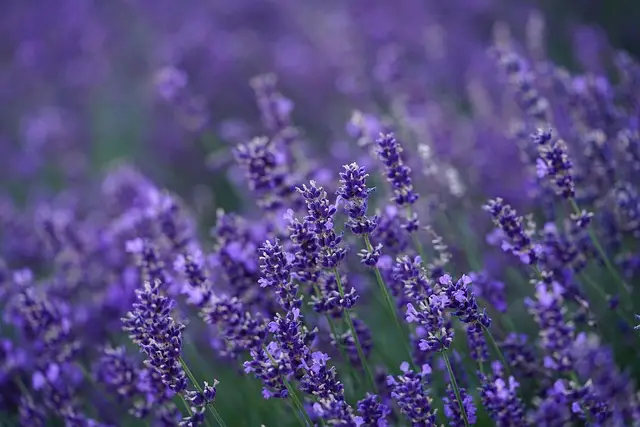
Lavender is a garden favorite thanks to its calming scent, beautiful color, and bee-friendly flowers. To keep it healthy and blooming year after year, it’s important to know how and when to cut lavender. In this post, you’ll learn when to do your spring and summer trims, how to cut lavender correctly, and how to prepare it for drying.
When to Cut Lavender
You should cut lavender twice a year to support healthy growth and full flowering:
1. Spring (March to April)
After the last frost, it’s time for the main cut. Trim back about one-third of the green growth. Be sure not to cut into the woody base, as lavender doesn’t grow back well from old wood.
2. Summer (July to August)
Once the flowers start to fade, give the plant a lighter trim. Cutting lavender in summer helps keep it in shape and can encourage a second bloom. It’s also the perfect time to cut and dry lavender for use in DIY projects or home decor.
How to Cut Lavender the Right Way
- Use clean, sharp garden scissors or shears
- Cut back about one-third of the soft, green growth
- Avoid cutting into the woody part of the plant
- Shape it evenly to keep a compact, rounded form
Cutting your lavender regularly helps it stay full and prevents it from getting too woody or sparse.
Lavender Cutting and Drying – A Quick Tip
If you want to dry your lavender, the best time to harvest is just before the flowers fully open. Gather several stems, tie them into small bundles, and hang them upside down in a dark, dry, and well-ventilated place.
For a full guide on how to dry lavender step by step, check out my separate blog post.
Conclusion
Knowing how and when to cut lavender is key to keeping it healthy and vibrant. With the right timing and technique, your lavender will reward you with rich blooms, a beautiful shape, and fragrant stems you can dry and enjoy all year long.