How to Make Stinging Nettle Fertilizer for Your Garden
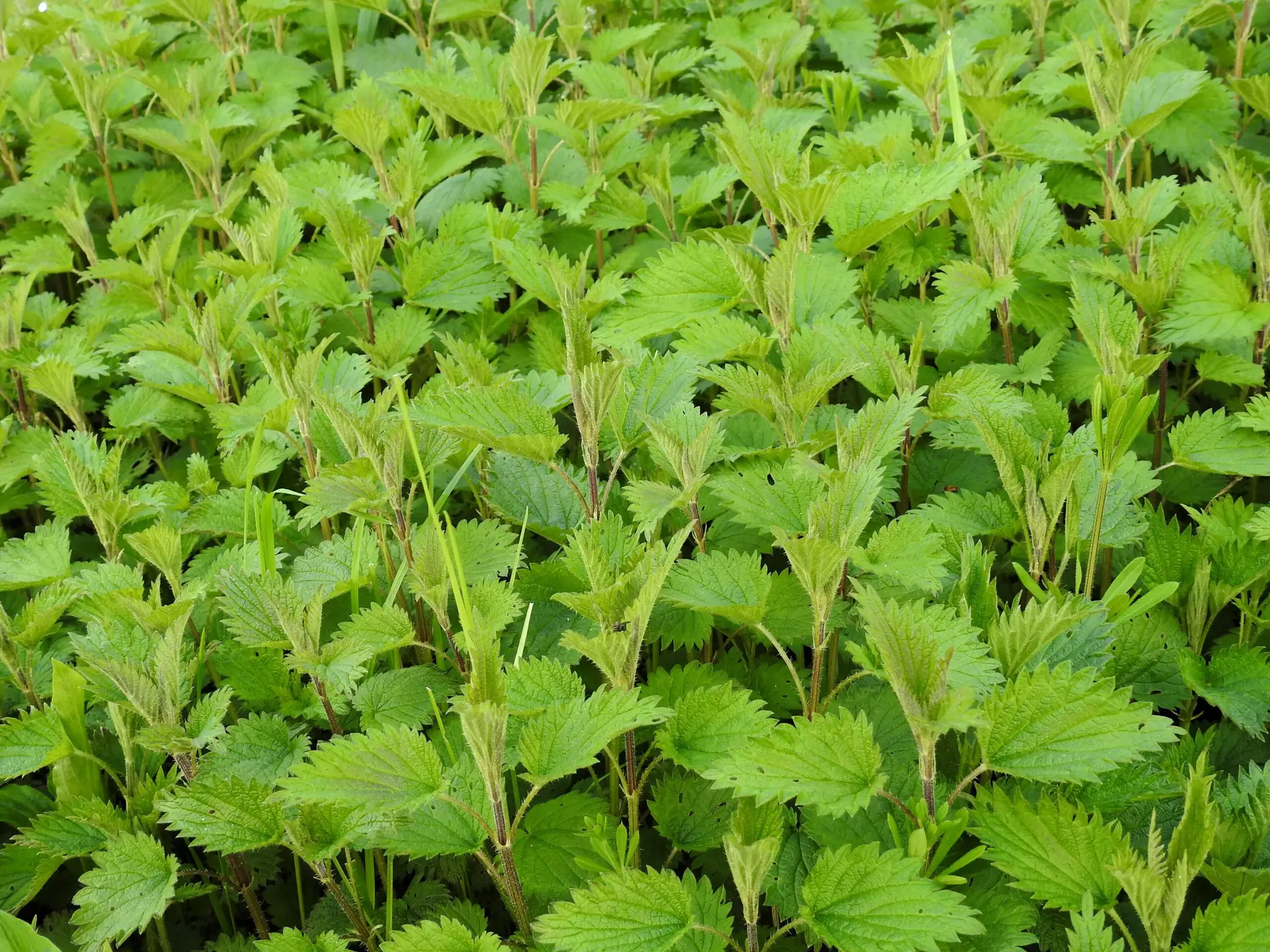
Strong-growing vegetables like tomatoes, zucchini, and pumpkins thrive in nutrient-rich soil. Regular fertilization helps them grow healthy and strong. Stinging nettle fertilizer is an excellent natural alternative to synthetic products, which can be expensive and harm soil life and the environment. By making your own nettle fertilizer at home, you not only get rid of unwanted nettles but also create a powerful, cost-free fertilizer that strengthens your plants and protects them from pests.
Ingredients & Tools
- Fresh stinging nettles
- Water (preferably rainwater)
- A plastic or enamel container, bucket, or barrel
- A lid or wooden board to cover the container
- A stick for stirring
- Optional: garden gloves and scissors
Preparation Time: 14 days
While the fertilizer is quick to set up, it takes about two weeks to ferment, depending on sunlight and temperature.
Step-by-Step Guide
- Choose a Location
Place your container near the compost or rain barrel. Avoid areas like patios or seating corners, as the fermentation process produces a strong odor. Sunlight helps speed up fermentation. - Collect Nettles
Fill your container about halfway with freshly cut stinging nettles. Wear gloves to protect your hands. All plant parts can be used. - Add Water
Pour water over the nettles until they are completely submerged. Stir well with a stick and cover loosely with a lid or board. - Ferment the Fertilizer
Stir the mixture every 1–2 days. The liquid will bubble and foam. After about two weeks, when bubbling stops, your homemade fertilizer is ready. If the smell is too strong, add a handful of compost or some rock dust to reduce odor. - Strain the Fertilizer
Pour the liquid through a sieve or cloth. Plant residues can go on the compost. Your natural nettle fertilizer is now ready to use.
Application
Use the fertilizer diluted in water (approx. 1:20) to water the soil around your plants. Avoid applying directly on leaves. Older plants can tolerate a stronger mixture (1:10).
Tip: Stinging nettle fertilizer is ideal for heavy feeders like tomatoes, zucchini, and pumpkins. Medium and light feeders such as carrots, herbs, peas, and beans do not need it or may be harmed by it. This natural fertilizer also acts as an insecticide, helping protect plants from pests like aphids.