
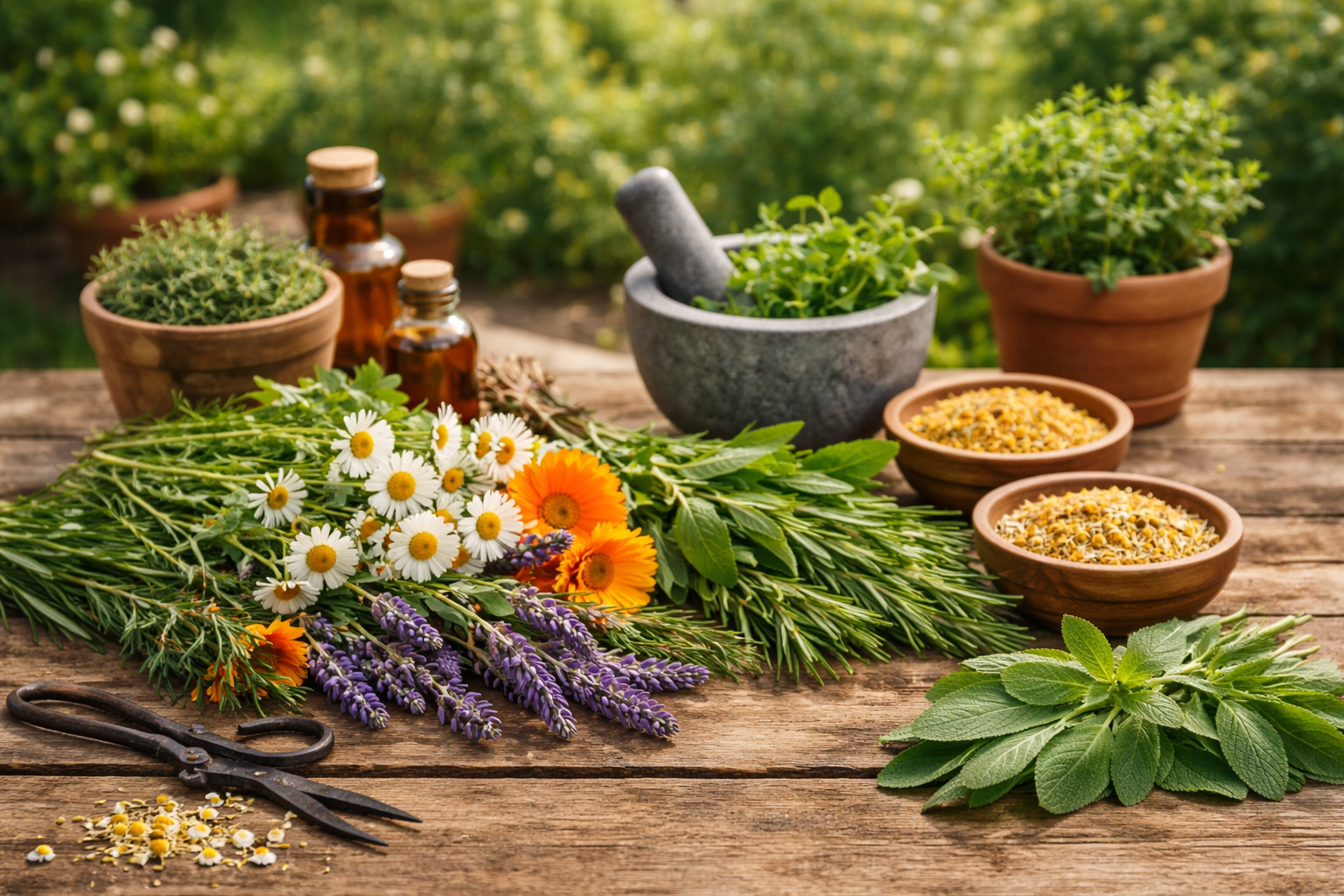
16 Powerful Medicinal Herbs to Grow at Home and How to Use Them
Growing your own medicinal herbs to grow at home is a simple way to create a garden that feels both beautiful and useful.
Many people love medicinal herbs to grow at home because they add color, fragrance, texture, and practical value to everyday life. A few carefully chosen medicinal herbs and plants can turn a small garden, patio, or balcony into a space that feels calming, productive, and full of life.
You do not need a large yard to get started. A handful of containers, a raised bed, or a sunny corner near the kitchen can be enough to begin growing medicinal herbs to grow at home in a way that suits your space and your lifestyle.
If you are new to herb gardening, the easiest approach is to start with a small list of medicinal herbs that are easy to grow and easy to use. Over time, you can add more and build a home herb garden that fits your climate and your daily routine.
Table of Contents
Why grow medicinal herbs at home
There are many reasons why gardeners enjoy growing medicinal herbs to grow at home. One of the biggest is that these herbs often do more than one job. They can look lovely in the garden, attract pollinators, smell wonderful, and still be useful in tea, cooking, or simple herbal projects.
Another reason people choose medicinal herbs to grow at home is convenience. It feels much easier to use herbs when they are growing right outside your door. You can step outside, harvest a few leaves or flowers, and enjoy them fresh.
Many medicinal herbs and plants also grow well in smaller spaces. This makes them ideal for container gardens, balconies, patios, and compact backyards. If you want a garden that feels both decorative and practical, medicinal herbs to grow at home are one of the best ways to begin.
How to choose the right medicinal herbs to grow at home
The best medicinal herbs to grow at home are the ones that fit your climate, your space, and the way you want to use them.
Think about these simple questions before planting:
1. What is your climate like
If your garden is warm and sunny, herbs such as rosemary, thyme, oregano, sage, and lavender are often a great fit. If your climate is milder or slightly cooler, chamomile, calendula, mint, lemon balm, and yarrow may be easier choices.
2. How much space do you have
Some medicinal herbs to grow at home stay neat and compact, while others spread quickly. Thyme and lavender are good for tidy pots, while mint should usually be grown in its own container.
3. How do you want to use your herbs
Some people want medicinal herbs to grow at home mainly for tea. Others want herbs for cooking, fragrance, drying, or simple infused oil projects. Choosing herbs based on real use makes your garden much more enjoyable.
A list of medicinal herbs to grow at home
This list of medicinal herbs includes beginner friendly herbs, traditional favorites, and a few options that make your post feel broader and more unique.
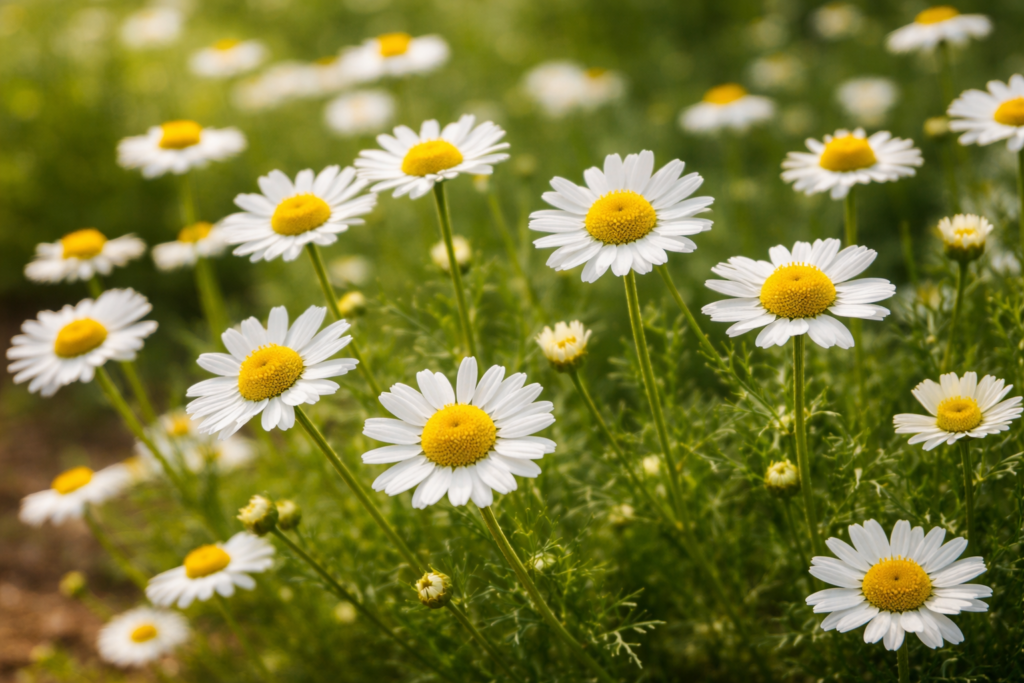
Chamomile
Chamomile is one of the best medicinal herbs to grow at home if you want a soft looking herb that is lovely for tea gardens.
How to grow:
Plant chamomile in a bright spot with loose, well drained soil. Pick flowers often to encourage more blooms.
How to use:
Dry the flowers for tea or add them to calming herbal blends.
Calendula
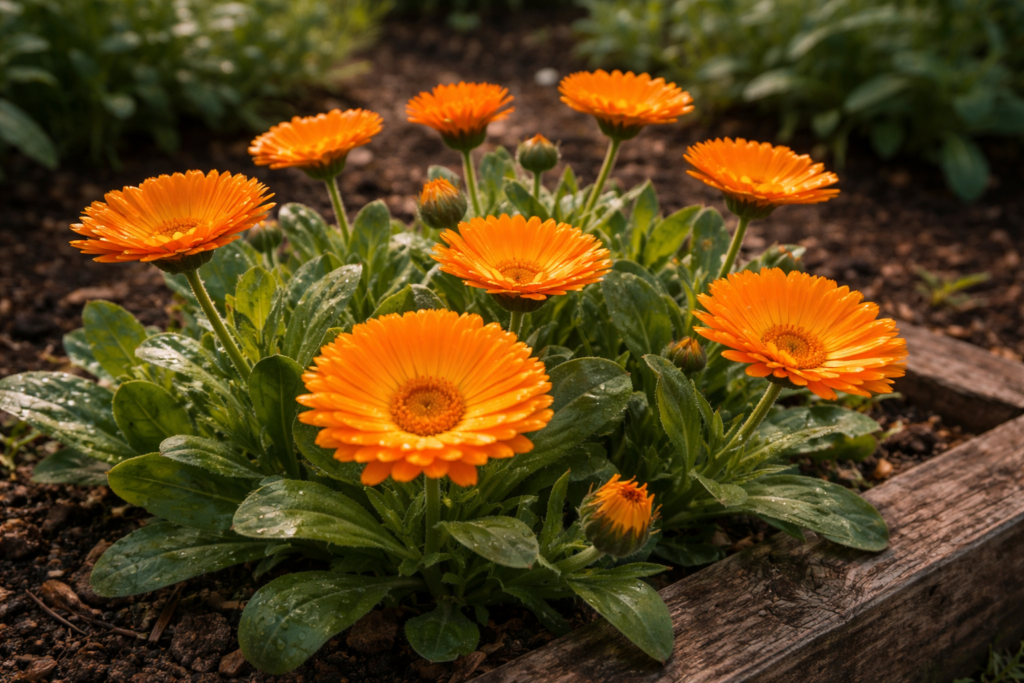
Calendula is one of the prettiest medicinal herbs and plants for a home garden. Its bright orange and yellow flowers bring cheerful color to beds and containers.
How to grow:
Sow calendula in full sun and remove faded flowers regularly to keep the plant blooming.
How to use:
Dry the petals for tea blends or use them in infused oils and simple skin care projects.
Lemon balm
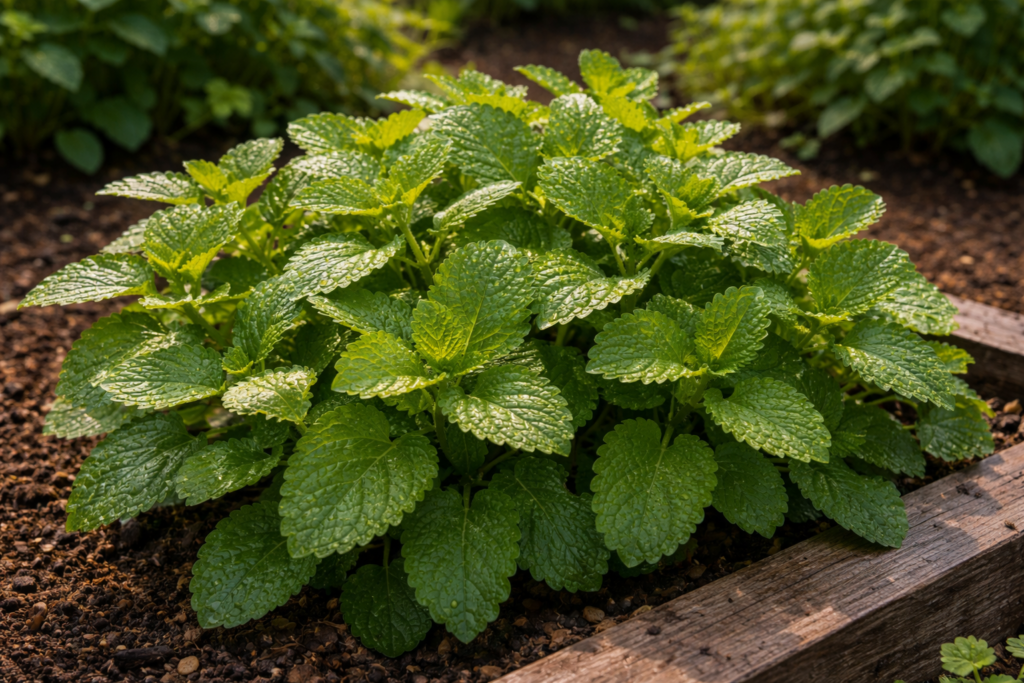
Lemon balm is one of the easiest medicinal herbs to grow at home for beginners. It grows quickly and has a fresh citrus scent.
How to grow:
Grow lemon balm in sun or light shade and trim it often to keep it full.
How to use:
Use the leaves fresh or dried in tea, summer drinks, and herbal blends.
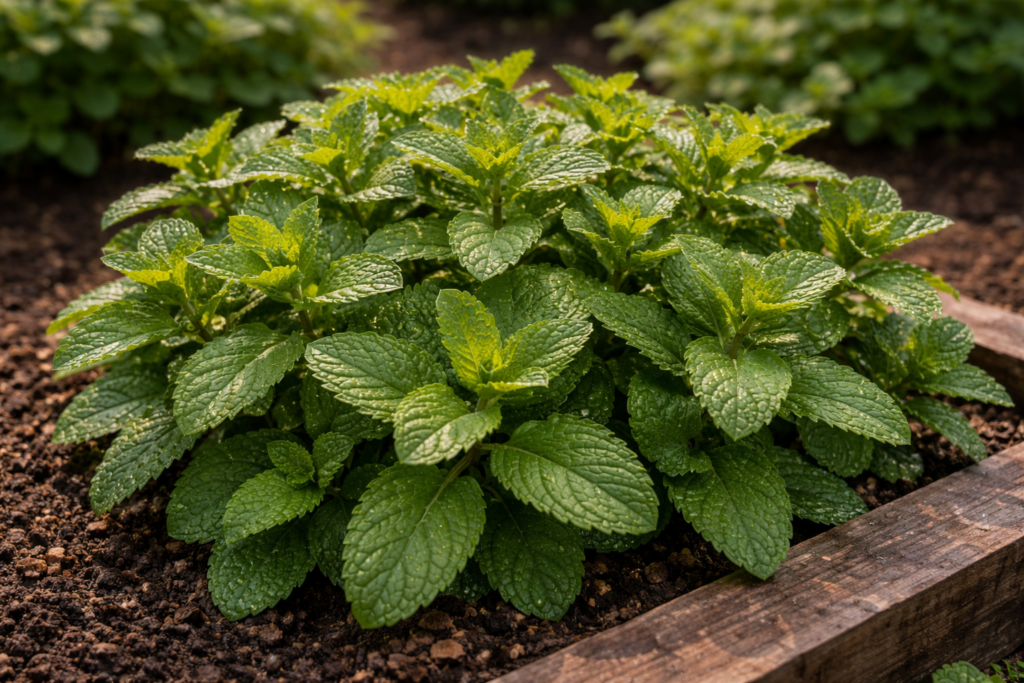
Mint
Mint is a classic choice when people think of medicinal herbs to grow at home. It is fast growing, fragrant, and very useful.
How to grow:
Keep mint in its own pot because it spreads quickly. Give it regular water and a bright place.
How to use:
Use fresh leaves in tea, infused water, lemonade, and cooling summer recipes.
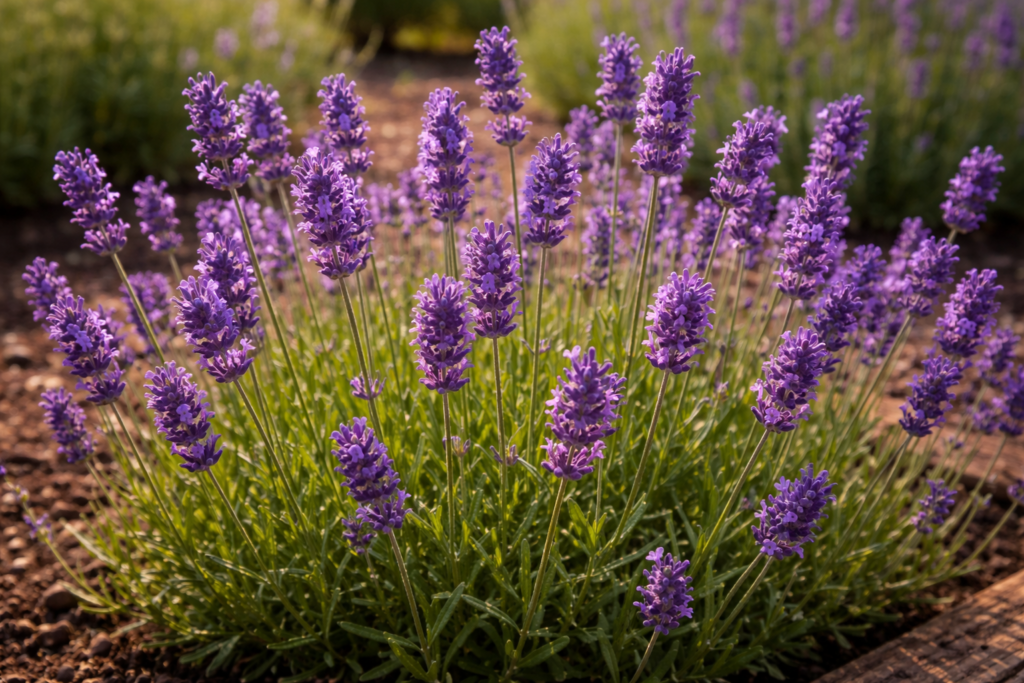
Lavender
Lavender is one of the most beautiful medicinal herbs to grow at home because it adds scent, structure, and a calm garden feel.
How to grow:
Plant lavender in full sun with excellent drainage and avoid very wet soil.
How to use:
Dry flower stems for sachets, tea blends, bath mixtures, or home fragrance.
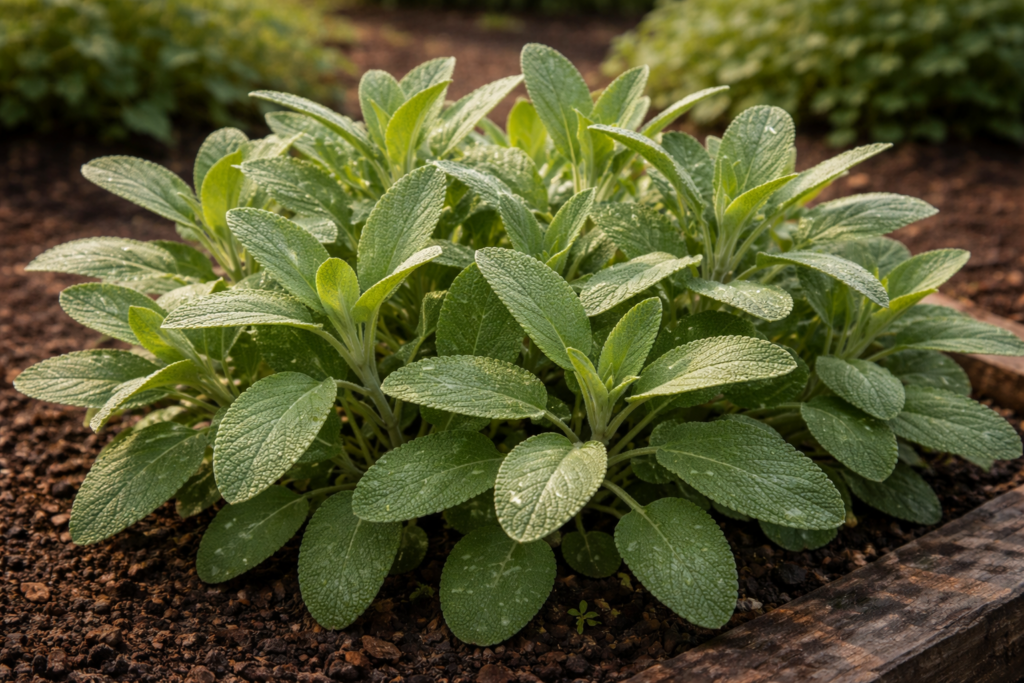
Sage
Sage is a classic herb with soft leaves and a strong presence in the garden. It is one of those medicinal herbs and plants that feels both traditional and practical.
How to grow:
Give sage a sunny place and well drained soil. Water lightly once it is established.
How to use:
Use the leaves in cooking or steep them lightly in warm herbal drinks.
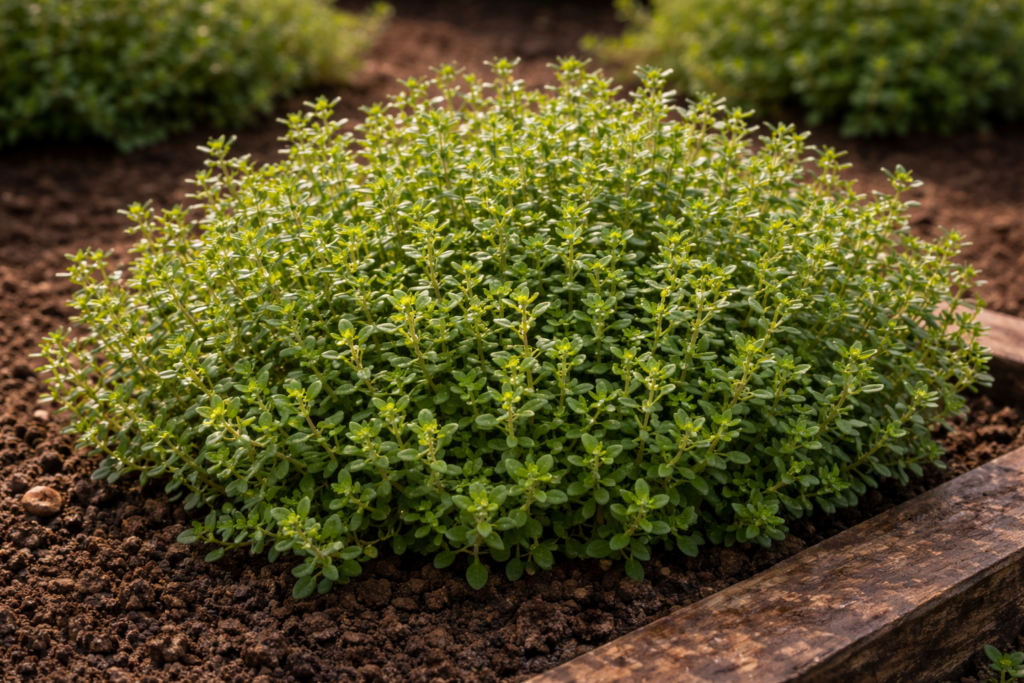
Thyme
Thyme is one of the easiest medicinal herbs to grow at home if you have a small space. It stays compact and is very low maintenance.
How to grow:
Grow thyme in full sun and light, well drained soil. It works very well in pots.
How to use:
Harvest sprigs for cooking, drying, or light herbal infusions.
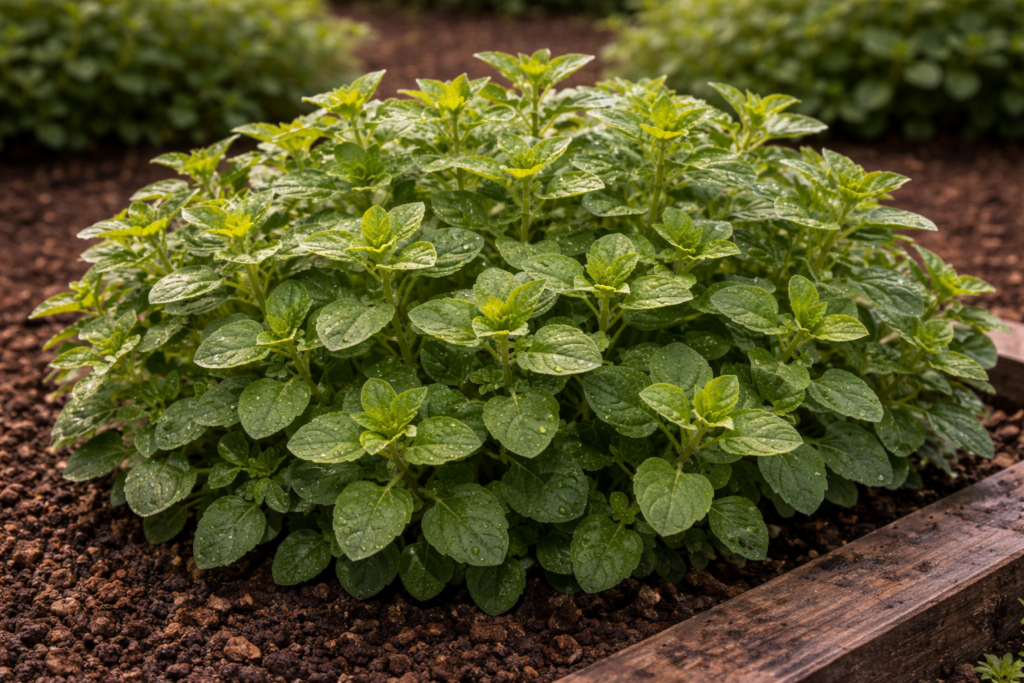
Oregano
Oregano is a practical herb that works well in both the kitchen and the herb garden. It earns a place in many lists of medicinal herbs to grow at home because it is so versatile.
How to grow:
Plant oregano in a warm sunny spot and avoid overwatering once it is established.
How to use:
Dry the leaves for cooking or use small amounts in herbal tea blends.
Rosemary
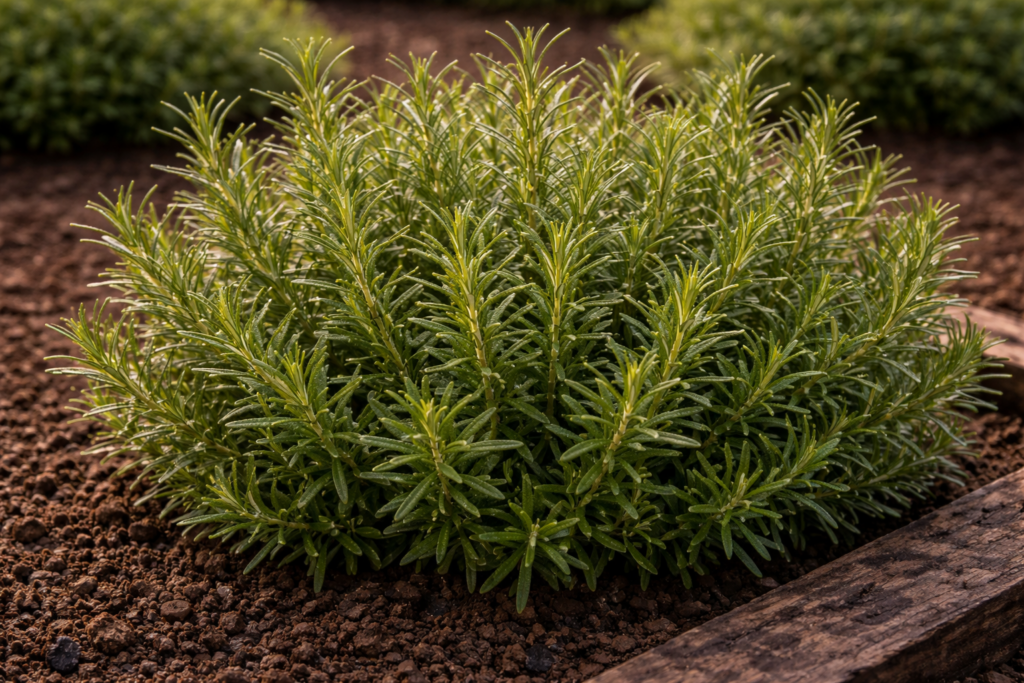
Rosemary is one of the best extra herbs to include in a list of medicinal herbs because it adds structure, fragrance, and year round interest.
How to grow:
Grow rosemary in full sun with excellent drainage. In colder climates, keep it in a pot so it can be protected in winter.
How to use:
Use it in cooking, herbal hair rinses, aromatic bundles, or simple steam bowls.
Fennel
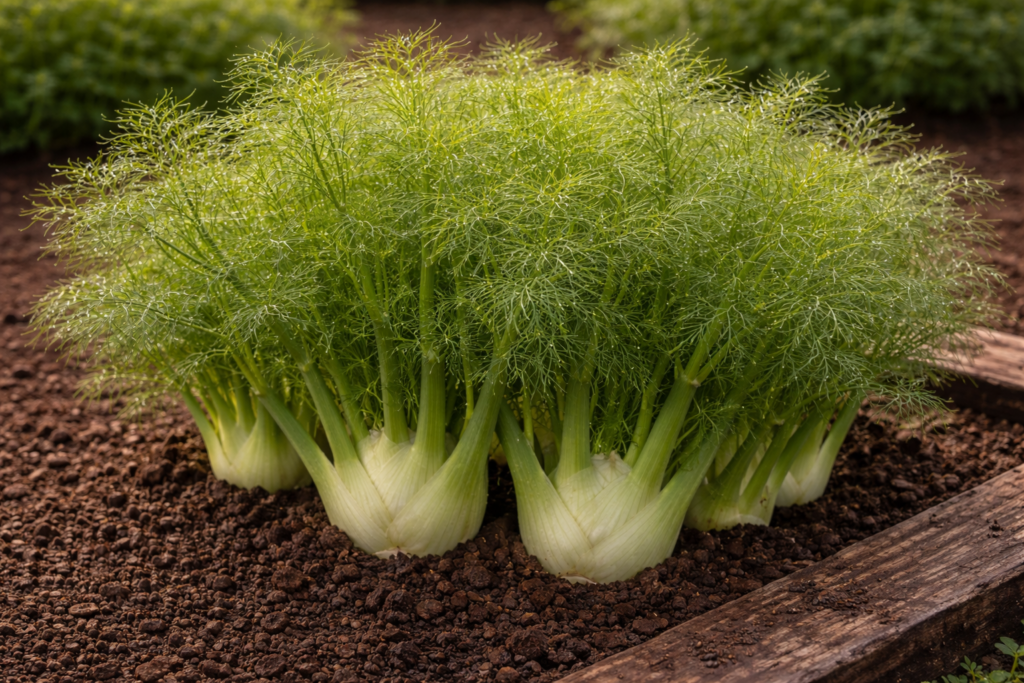
Fennel is a beautiful herb with feathery foliage and a light airy shape. It adds variety to any collection of medicinal herbs to grow at home.
How to grow:
Plant fennel in full sun where it has enough room to grow upright.
How to use:
Use the leaves and seeds in cooking or brew the seeds in a gentle herbal tea.
Plantain
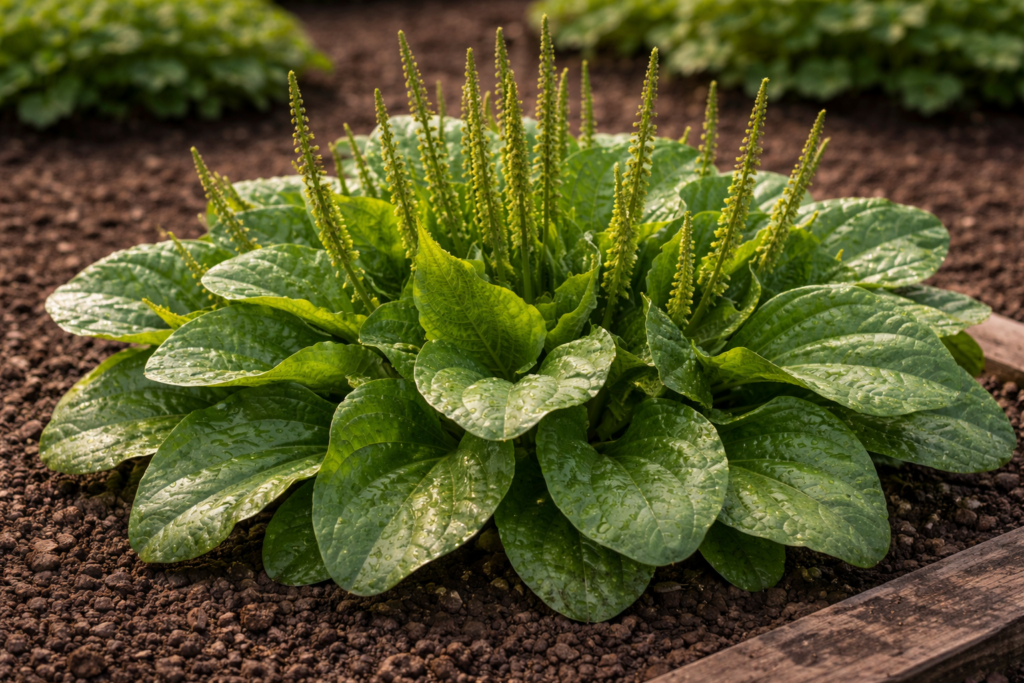
Plantain is often forgotten in a typical list of medicinal herbs, but it is a useful herb to know and easy to grow.
How to grow:
It grows in ordinary soil and handles many garden conditions well.
How to use:
Leaves are often used in infused oil projects and simple external herbal preparations.
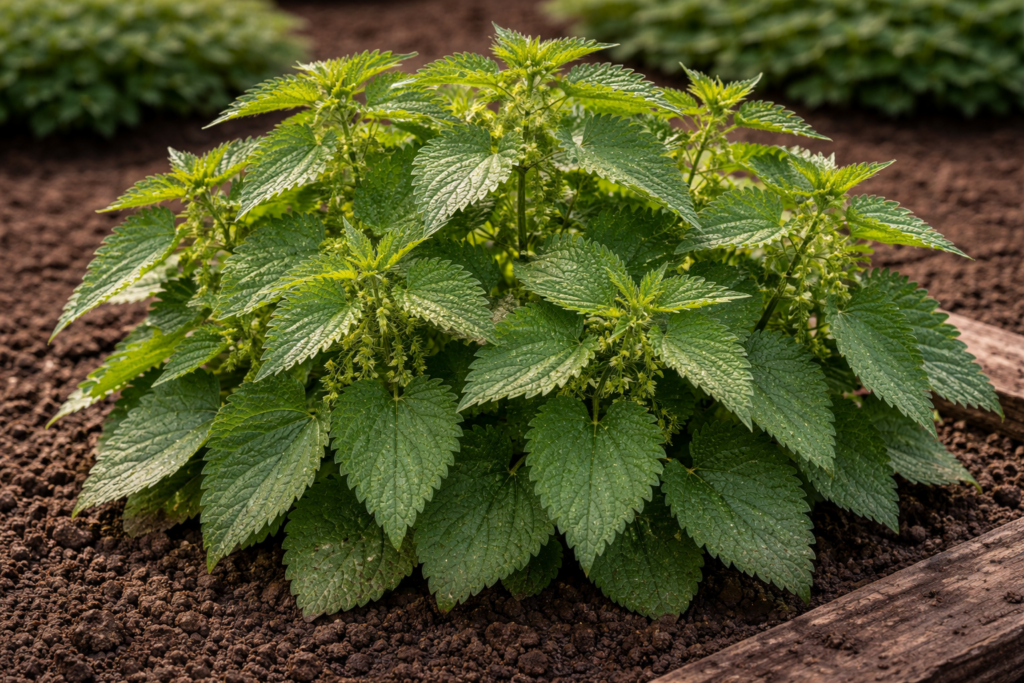
Nettle
Nettle is one of the more wild looking medicinal herbs and plants and suits a natural style garden.
How to grow:
Give nettle rich soil and enough space. Plant it away from paths because fresh leaves can sting.
How to use:
Once dried or properly handled, nettle is often used in tea blends and garden preparations.
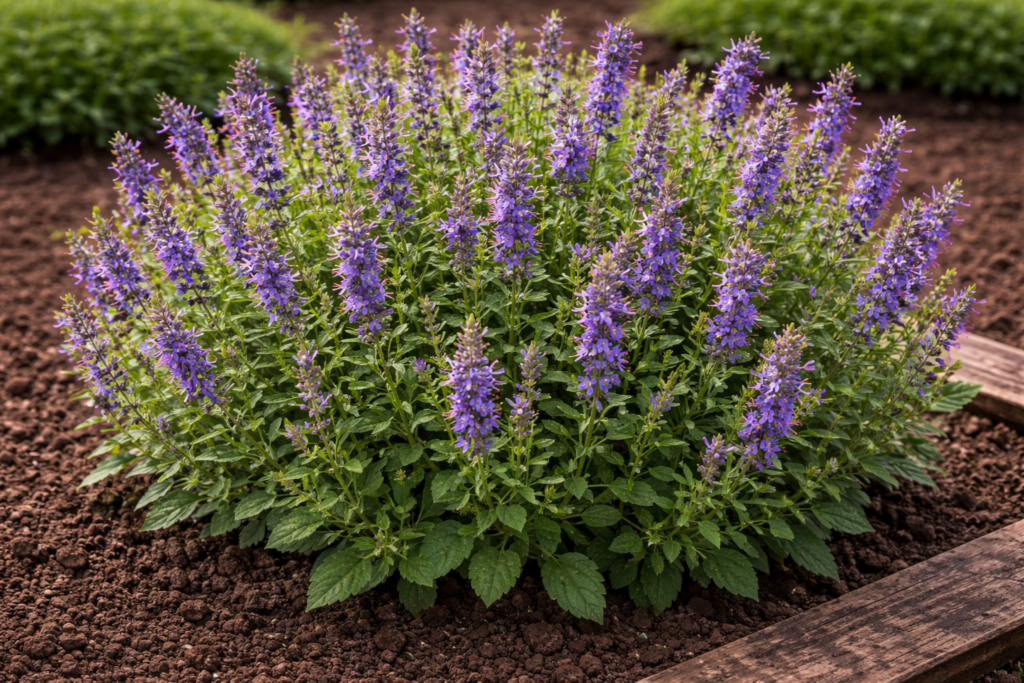
Hyssop
Hyssop is a lovely herb that brings flowers, pollinators, and vertical shape to a herb bed.
How to grow:
Plant hyssop in full sun with soil that drains well and trim lightly after flowering.
How to use:
Use the leaves and flowers in tea blends or drying bundles.
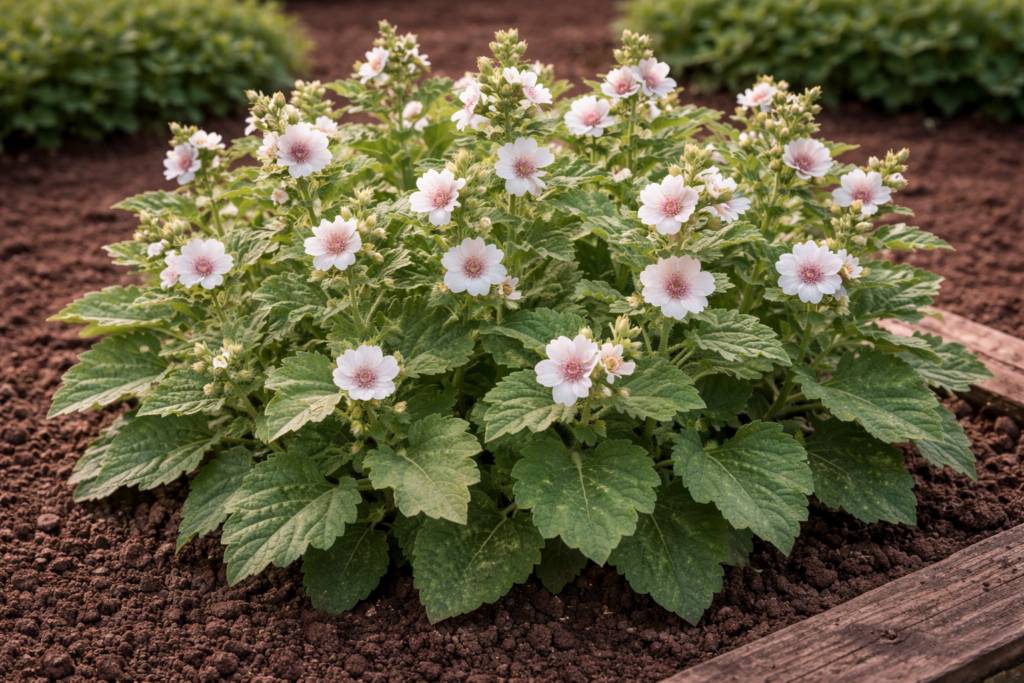
Marshmallow
Marshmallow is a beautiful and slightly less common choice among medicinal herbs to grow at home. It gives the garden a softer and more unusual feel.
How to grow:
Grow marshmallow in sun and soil that holds some moisture without staying soggy.
How to use:
Leaves and roots have a long tradition of use in soothing herbal preparations.
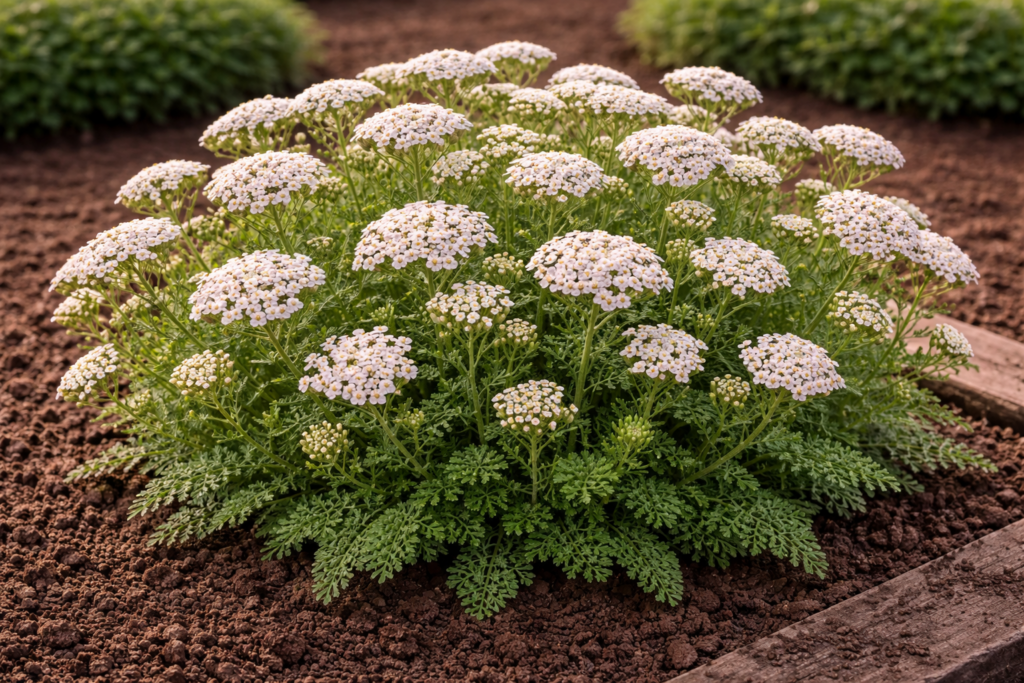
Yarrow
Yarrow is one of the best medicinal herbs to grow at home if you like a natural meadow look in the garden.
How to grow:
Plant yarrow in full sun and avoid too much water. It does well in leaner soil.
How to use:
Dry the flower heads for herb blends or decorative dried collections.
Lemon verbena
Lemon verbena is a wonderful herb if you enjoy strong fragrance and fresh citrus notes.
How to grow:
Grow it in a warm sunny place with good drainage. In cooler climates, a pot is often best.
How to use:
Use the leaves in tea, infused sugar, or fresh summer drink mixes.
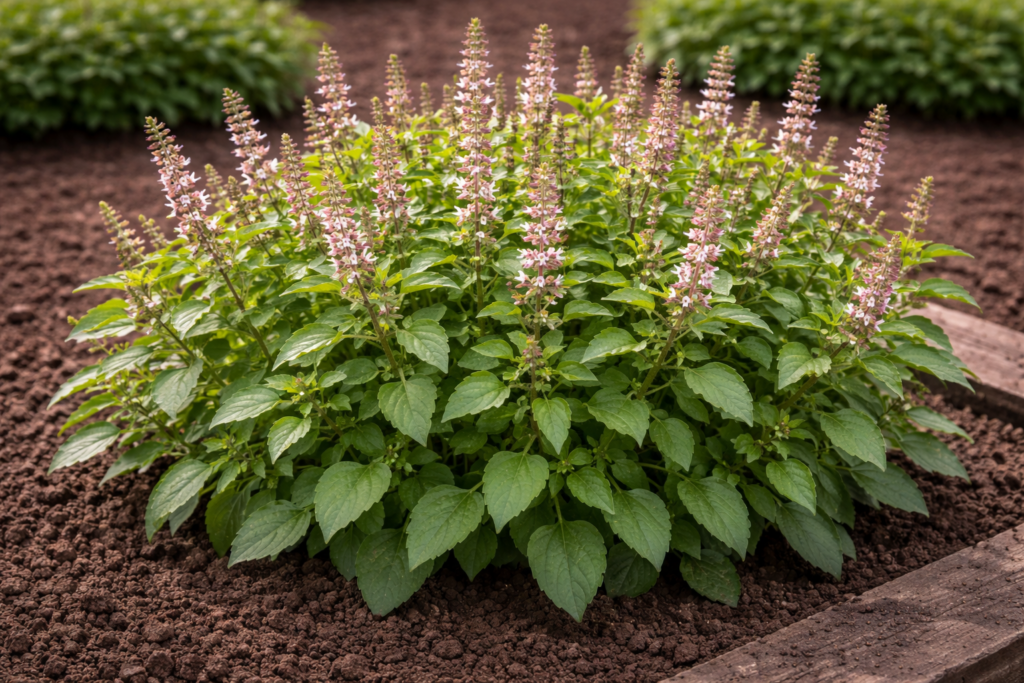
Holy basil
Holy basil is a lovely addition if you want to expand beyond the most common medicinal herbs to grow at home. It brings fragrance and a slightly different herbal note to the garden.
How to grow:
Grow holy basil in warmth, sun, and soil that drains well. It likes steady watering during active growth.
How to use:
Use the leaves fresh or dried in herbal tea blends.
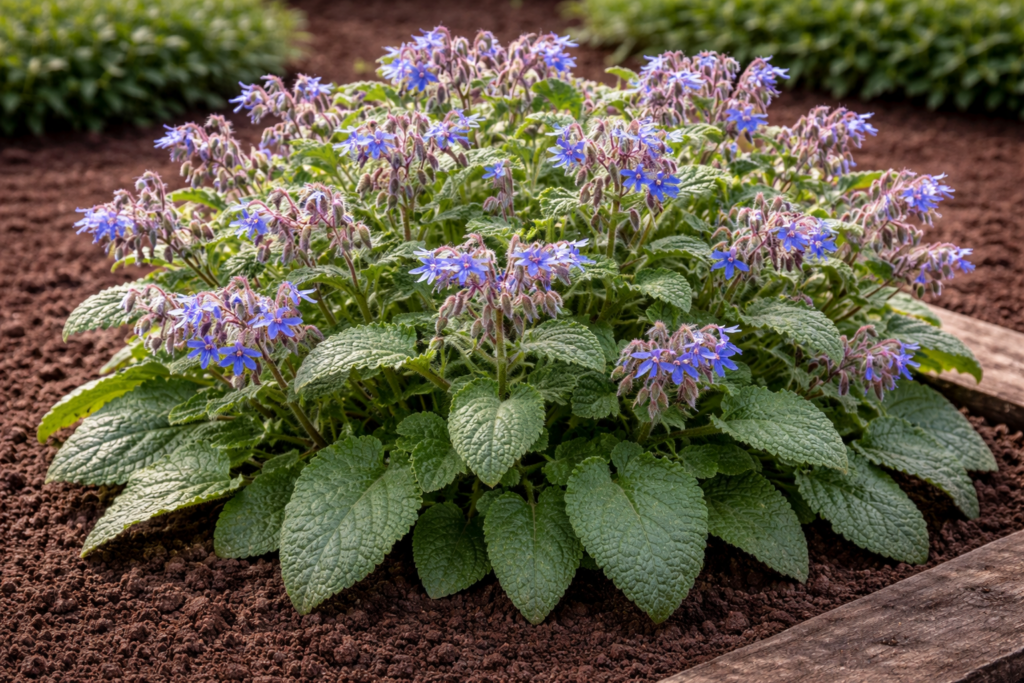
Borage
Borage is a beautiful herb with blue flowers and a slightly wilder garden style. It is a great choice if you want your medicinal herbs and plants to also support pollinators.
How to grow:
Plant borage in sun and give it enough room because it can get large.
How to use:
Flowers are often used as an edible garnish, and the plant is traditionally included in herb gardens for its long standing folk use.
How to grow medicinal herbs to grow at home successfully
The easiest way to succeed with medicinal herbs to grow at home is to keep the basics simple.
Most herbs do best with:
- plenty of light
- well drained soil
- moderate watering
- regular harvesting
- enough airflow between plants
A smart tip is to group medicinal herbs to grow at home by similar needs. Lavender, rosemary, thyme, oregano, and sage like sunny and drier conditions. Mint, lemon balm, and chamomile usually appreciate slightly more moisture.
If you are just starting out, containers are often the easiest way to grow medicinal herbs to grow at home. Pots help with drainage, make watering easier to manage, and let you move plants when needed.
How to use medicinal herbs to grow at home
Once your garden is growing well, there are many simple ways to enjoy your medicinal herbs to grow at home.
Herbal tea
Chamomile, mint, lemon balm, lavender, fennel, hyssop, lemon verbena, holy basil, and nettle are all lovely choices for tea.
Drying for later
Many medicinal herbs and plants can be air dried and stored in jars for use during cooler months.
Infused oils
Calendula, lavender, and plantain are often chosen for infused oil projects.
Cooking
Sage, thyme, oregano, rosemary, fennel, and mint are all very practical in everyday meals.
Home fragrance
Lavender and rosemary are especially nice for bundles, sachets, and simple natural home fragrance.
A simple beginner list of medicinal herbs
If you want an easy starter garden, begin with this smaller list of medicinal herbs:
- chamomile
- calendula
- lemon balm
- mint
- thyme
- rosemary
This gives you a nice mix of beauty, fragrance, and everyday usefulness without making your herb garden feel overwhelming.
Gentle note
This article is for general education and garden inspiration. Herbs can be a lovely part of daily life, but they do not replace proper medical care, diagnosis, or treatment.
If you have ongoing symptoms, severe discomfort, a known medical condition, take medication, are pregnant, or are nursing, it is wise to speak with a qualified healthcare professional before using herbs in a wellness routine. When a health concern feels serious or does not improve, professional support should come first.
Final thoughts
Growing medicinal herbs to grow at home is a beautiful way to make your space feel more alive and more useful.
You do not need a huge garden. You only need a few herbs that suit your climate, your space, and your daily life.
Start small, learn what grows well where you live, and build your herb garden over time. Even a few pots can become a lovely and practical corner of your home.
If you are unsure whether an herb is appropriate for you, especially during pregnancy, while breastfeeding, or when taking medication, speak with a qualified healthcare professional before using herbal products.
If you want to learn more about healing plants, take a look at my post about herbs traditionally used for inflammation support.
Important:
Always consult with an healthcare provider before using herbal remedies.