10 Medicinal Herbs You Shouldn’t Miss in Your Garden: Your Green Home Pharmacy
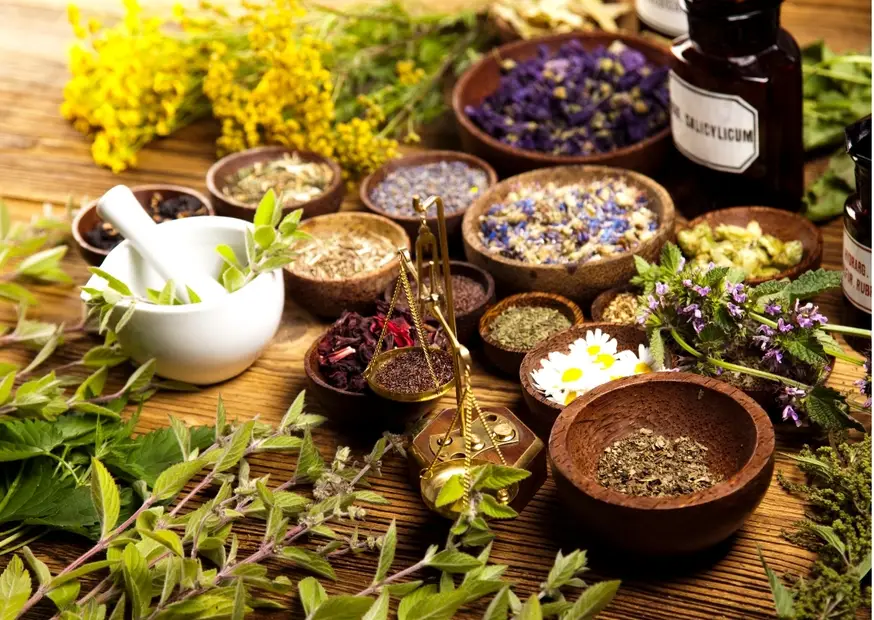
A garden can be more than just a beautiful retreat – it can also be your natural source of health and well-being. Medicinal herbs have been valued for centuries for their healing properties, and many are easy to grow right at home.
In this post, we’ll explore 10 essential herbs that can turn your garden into a green pharmacy, complete with tips on planting, care, and uses.
1. Chamomile (Matricaria chamomilla)
Benefits: Anti-inflammatory, soothing, antispasmodic
Uses: Tea for stomach discomfort, steam inhalation for colds
Tip: Prefers full sun and well-drained soil.
2. Peppermint (Mentha × piperita)
Benefits: Digestive aid, cooling, antispasmodic
Uses: Tea for nausea, peppermint oil for tension headaches
Tip: Grows quickly – plant in a pot to prevent spreading.
3. Sage (Salvia officinalis)
Benefits: Antibacterial, reduces sweating, anti-inflammatory
Uses: Gargle for sore throat, tea for hot flashes
Tip: Thrives in sunny, dry spots.
4. Calendula (Calendula officinalis)
Benefits: Wound healing, anti-inflammatory
Uses: Salve for cuts, cream for skin irritations
Tip: Sow from March for blooms into late autumn.
5. Thyme (Thymus vulgaris)
Benefits: Antibacterial, expectorant
Uses: Tea for coughs, steam inhalation for colds
Tip: Loves sun and needs little water.
6. Lavender (Lavandula angustifolia)
Benefits: Calming, sleep-promoting
Uses: Scented sachets for better sleep, bath additives for relaxation
Tip: Prune after flowering for bushy growth.
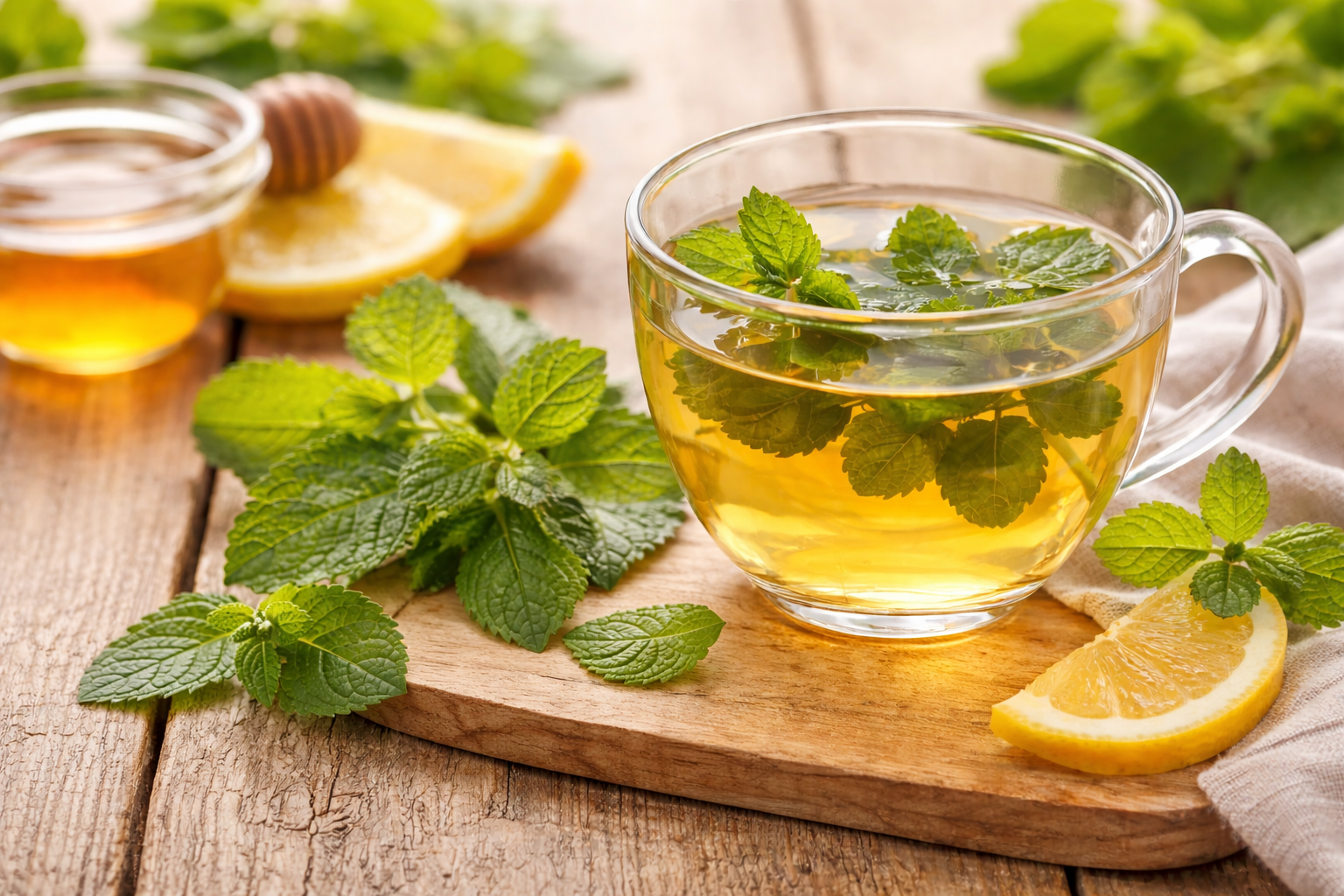
7. Lemon Balm (Melissa officinalis)
Benefits: Relaxing, antispasmodic, antiviral
Uses: Tea for stress relief, infusion for better sleep
Tip: Grows well in partial shade, cut back regularly.
8. Yarrow (Achillea millefolium)
Benefits: Anti-inflammatory, supports menstrual balance
Uses: Tea for cramps, topical use for slow-healing wounds
Tip: Hardy plant, tolerates poor soil.
9. Plantain (Plantago lanceolata)
Benefits: Soothes irritation, antibacterial
Uses: Fresh leaves as wound dressing, syrup for cough relief
Tip: Can be foraged in the wild or grown intentionally.
10. St. John’s Wort (Hypericum perforatum)
Benefits: Mood-lifting, wound healing
Uses: Oil for sore muscles, tea for mild nervous tension
Tip: Blooms in midsummer – harvest around St. John’s Day (June 24).
Final Thoughts
With these 10 medicinal herbs, your garden can become a natural source of wellness. They’re easy to grow, versatile in use, and connect you to the healing power of nature. Whether for tea, salves, or simply their beauty – these plants are treasures worth cultivating.