
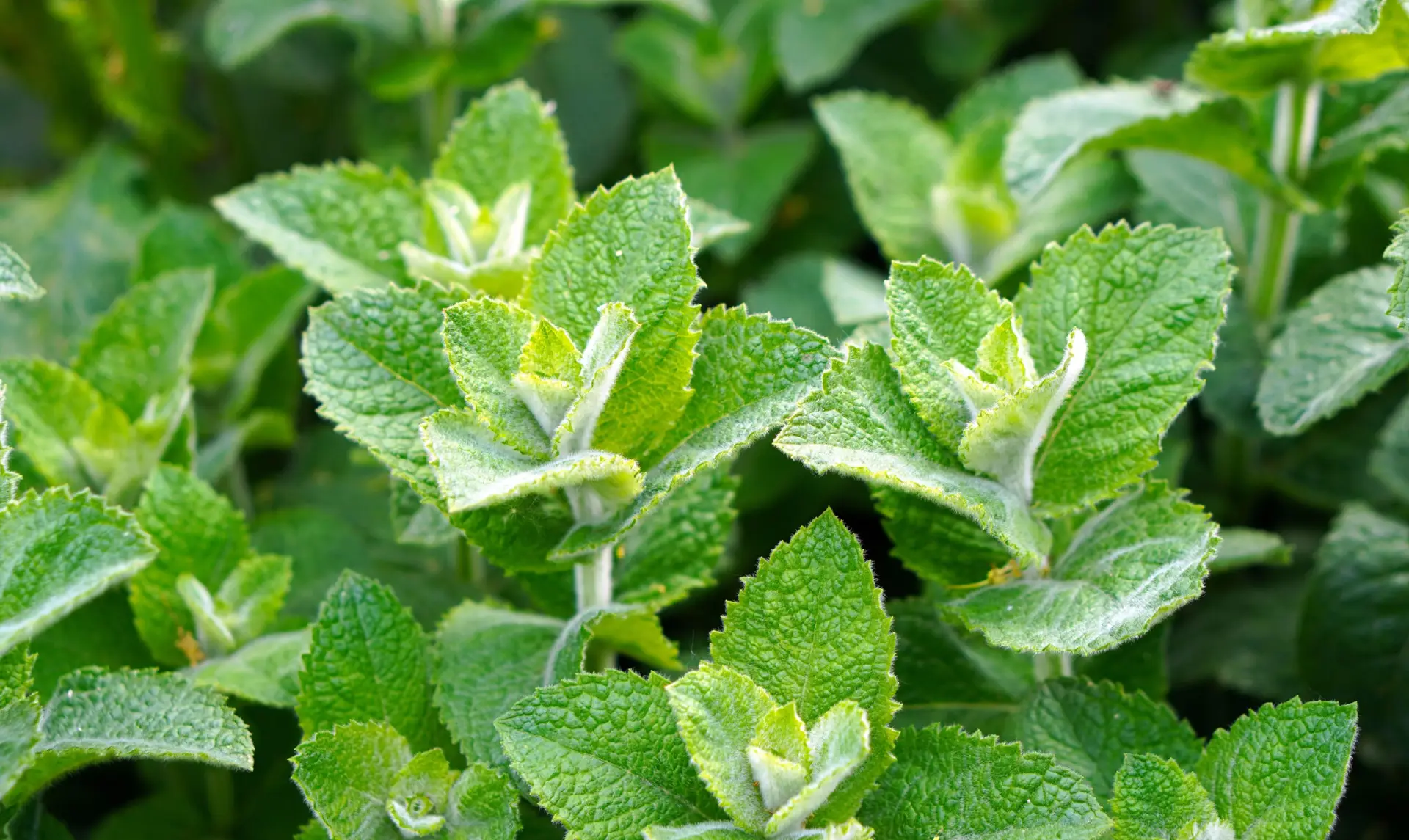
Which Peppermint Works Best? Discover the Different Types and Their Effects
Peppermint (Mentha × piperita) is more than just a kitchen herb. With its essential oils, it’s a powerful and versatile plant used in home remedies, wellness routines, and even in the garden. In this blog post, you’ll learn everything about the most important peppermint varieties, their health benefits, practical uses, and how to harvest and store mint step by step.
Which Peppermint Has Which Effect?
Not all peppermint is the same – each type offers different flavors and effects. These are the four most popular peppermint varieties and what makes each one special:
Black Peppermint
Contains a very high level of menthol. It has strong cooling, antispasmodic, and decongestant effects.
Best for colds, headaches, and digestive issues.
Spearmint (Green Mint)
Milder in taste and lower in menthol. It’s gentle on the stomach and has calming properties.
Ideal for children, everyday teas, and oral care products.
Apple Mint
Fruity and almost menthol-free. It has a mild, relaxing effect.
Great for people with sensitive stomachs and for light tea blends.
Chocolate Mint
Sweet and aromatic with cocoa notes. It’s more mood-lifting than medicinal.
Perfect for desserts, flavored teas, and natural home scents.
Peppermint in Everyday Use – From Tea to Home Remedy
Peppermint is a true multitasker in daily life. Here are a few simple ways to use it:
Peppermint Tea
Soothes the stomach and digestive system. Use 1–2 teaspoons of dried leaves and pour over hot water.
Inhalation for Colds
Add 2–3 drops of peppermint essential oil to hot water and inhale the steam to help clear your airways.
Refreshing in Summer
Add fresh mint leaves to ice cubes or flavor drinks with peppermint syrup for a cooling effect.
Natural Headache Relief
Massage 1 drop of peppermint oil onto the temples or the back of the neck to ease tension.
How to Harvest Peppermint – Step by Step
To keep your mint plant strong and full of flavor, follow this simple guide:
When to Harvest
The best time is from May to August, just before the plant starts to flower. That’s when essential oil concentration is highest.
Step-by-Step Instructions
- Use clean scissors or a knife to avoid spreading disease.
- Harvest in the morning, once the dew has dried.
- Cut the stems about 5–10 cm above the ground to encourage new growth.
- Use only healthy, vibrant leaves. Discard any yellow or wilted ones.
- To dry mint, hang small bundles upside down in a shaded, airy space.
How to Store Peppermint Properly
- Fresh mint: Wrap in a damp paper towel and keep in the fridge for up to 3 days.
- Dried mint: Store in an airtight jar away from light and heat.
- Frozen mint: Chop and freeze in ice cube trays with water – perfect for teas and drinks.
Conclusion: Peppermint – A Must-Have for Every Home
Whether as a tea, a natural remedy, or a culinary herb – peppermint is easy to grow and full of health benefits. Once you understand the differences between peppermint varieties, you can choose the right type for your needs. Growing your own mint lets you enjoy its healing effects all year round.