
What to Plant in July for a Fall Harvest
July can feel like the middle of the gardening season, but it is also one of the best months to start a second wave of food. If you are wondering what to plant in July, there are still plenty of vegetables, herbs, and quick crops that can grow beautifully before fall.
Warm soil helps seeds germinate quickly, early crops leave empty spaces, and many vegetables still have enough time to grow before autumn. Instead of letting summer beds sit bare, you can use July to create a fresh fall harvest.
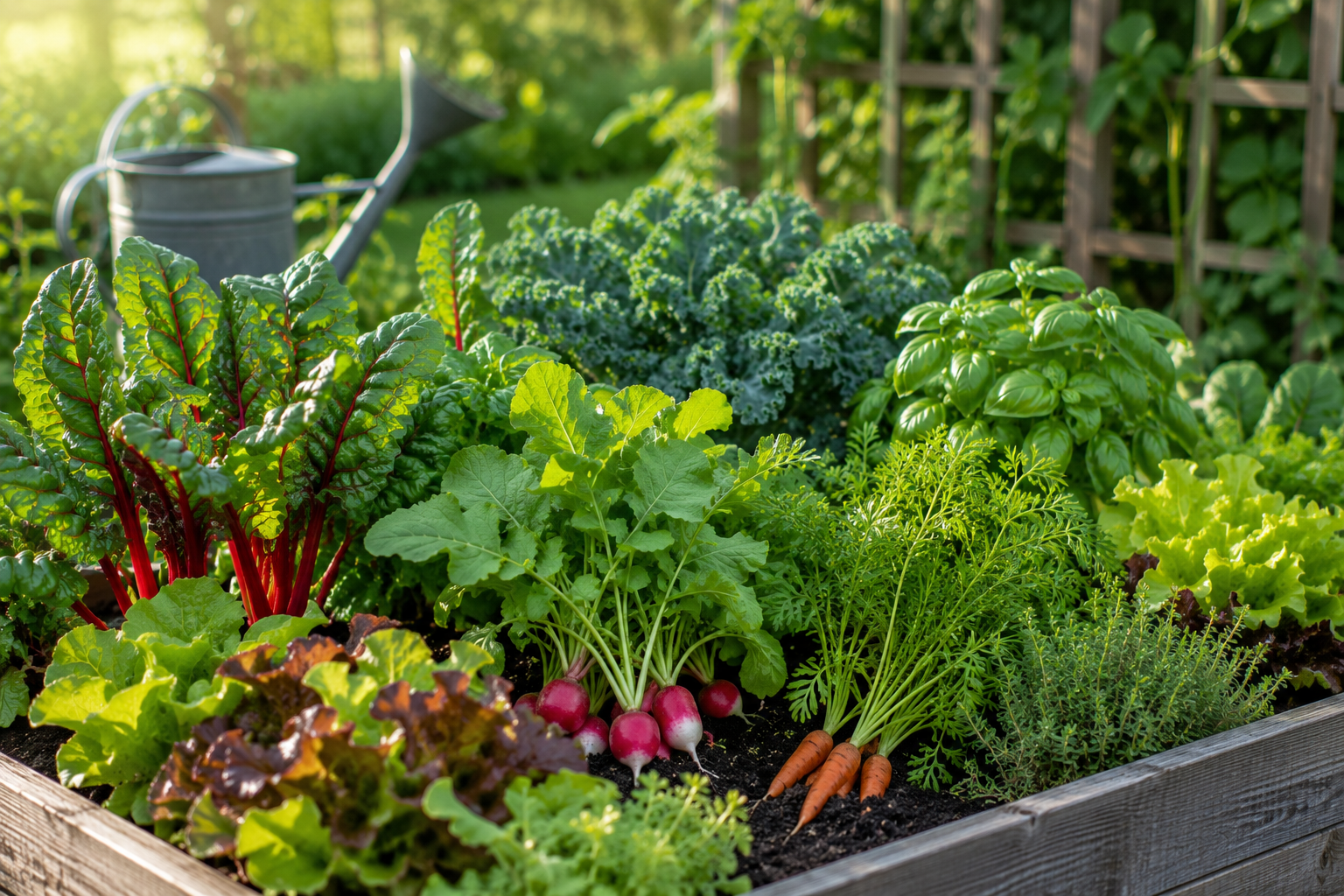
The best answer to what to plant in July is a mix of fast crops and fall-friendly vegetables. Radishes, bush beans, carrots, beets, Swiss chard, kale, turnips, lettuce, arugula, basil, dill, cilantro, parsley, and chives are all useful options for a productive July garden.
The key is to think of July as a transition month. You are not only finishing your summer garden. You are also preparing your garden for late summer, autumn, and cooler harvests. With a little planning, July can become one of the most productive months in your vegetable garden.
For gardeners with raised beds, containers, or small backyard gardens, knowing what to plant in July can help you make better use of every empty space. Even a few new rows of greens, roots, herbs, or quick crops can turn a tired summer garden into a fresh fall harvest.
Table of Contents
Quick Answer: What to Plant in July
In July, plant fast crops and fall-friendly vegetables such as radishes, bush beans, carrots, beets, Swiss chard, kale, turnips, lettuce, arugula, basil, dill, cilantro, parsley, and chives.
If you are deciding what to plant in July, choose crops that mature in roughly 30 to 70 days and keep the seedbed evenly moist during hot weather. This gives your seeds the best chance to germinate quickly, even when summer days are warm and the soil dries out faster than it does in spring.
For the fastest results, plant radishes, arugula, baby lettuce, dill, and cilantro. These are good choices when you want to fill empty garden spaces quickly and get another harvest before the season changes.
For a later fall harvest, choose carrots, beets, kale, Swiss chard, and turnips. These crops may need a little more time, but they are ideal for extending your garden into cooler weather. This makes it easier to know what to plant in July for both quick summer harvests and early fall crops.
If you still have enough warm weeks left in your season, bush beans can also be a great July crop. They grow well in warm soil, do not need tall supports, and can make good use of spaces left behind after spring vegetables.
Why July Is a Good Month for Planting
Many gardeners think of spring as the main planting season, but July is perfect for succession planting. Succession planting means planting a new crop after an earlier one is finished.
For example, once spring lettuce, peas, early potatoes, or other early crops are harvested, that space can be used again instead of staying empty. This is one of the easiest ways to get more food from a small garden, raised bed, or container garden.
When deciding what to plant in July, it helps to look at empty garden spaces and choose crops that still have enough time to mature before cooler weather. Warm July soil helps many seeds germinate quickly, especially bush beans, radishes, beets, and herbs.
The challenge is that July weather can also be hot and dry, so new seeds need extra moisture and sometimes light shade during the hottest part of the day. A seed row that dries out too often may fail before it really starts, even if the crop itself is a good choice for summer planting.
When done correctly, July planting gives your garden a fresh start. It helps you avoid empty beds, extends your harvest season, and gives you more food from the same space. It can also make your garden feel productive again after the first spring crops are finished and some summer plants begin to slow down.
How to Choose the Best Crops to Plant in July
Before choosing what to plant in July, check the “days to maturity” on your seed packet. This tells you roughly how long the crop needs before it can be harvested.
For July planting, crops that mature in about 30 to 70 days are usually the safest choice. If your first frost comes early, focus on fast crops like radishes, arugula, baby lettuce, herbs, and leafy greens. These give you a better chance of harvesting something before the weather changes.
If your autumn is mild, you can also try slower crops like carrots, beets, kale, Swiss chard, and turnips. The best way to decide what to plant in July is to match each crop to your local weather, your first frost date, and the space you still have available.
You should also think about your growing setup. Raised beds may dry out faster in summer, containers may need daily watering, and very hot gardens may need shade during the afternoon. A crop that works well in one garden may need a little extra care in another.
The best July garden is not about planting the most. It is about planting the right crops at the right time. A small row of radishes, a pot of basil, a patch of arugula, and a few fall greens can be much more useful than planting too much at once and struggling to keep it all watered.
Best July Crops for Quick and Fall Harvests
If you are still unsure what to plant in July, start with vegetables that either grow quickly or become better in cooler fall weather. Quick crops help you fill gaps right away, while fall crops keep your garden productive after summer begins to fade.
This mix gives you the best of both seasons. You can enjoy fast summer harvests from radishes, arugula, baby lettuce, and herbs, while also preparing carrots, beets, kale, Swiss chard, and turnips for later in the year.
Best Vegetables to Plant in July
Radishes
Radishes are one of the quickest July crops. They germinate fast, grow quickly, and can often be harvested young. Sow small amounts every 10 to 14 days so you get a steady harvest instead of one large row at once.
They are perfect for filling small empty spaces between slower vegetables. Keep the soil moist and harvest them before they become too large, woody, or overly spicy.
Bush Beans
Bush beans love warm soil and do not need tall supports. They are ideal for empty spaces after early lettuce, peas, or spring greens.
If your growing season is still long enough, a July sowing of bush beans can give you a useful late summer or early fall harvest. Bush beans are usually easier than pole beans because they stay compact and mature more quickly.
They are also a good choice for raised beds and smaller gardens.
Carrots
Carrots can be sown in July for sweet autumn roots. The most important part is keeping the seedbed moist until germination.
Carrot seeds are small and can take a while to sprout, especially if the soil dries out. Water the soil before sowing, plant the seeds shallowly, and keep the surface evenly damp.
A helpful trick is to cover the row lightly with garden fabric, burlap, or a thin board for a few days to hold moisture. Remove the cover as soon as seedlings appear.
Beets
Beets are useful because you can harvest both the roots and the greens. They are a great July planting choice for a fall harvest.
Give them even moisture and thin them early so the roots have space to grow. Beet greens can also be harvested lightly while the roots continue to develop.
A July sowing can grow into a beautiful autumn crop, especially when the hottest part of summer begins to fade.
Swiss Chard
Swiss chard handles summer better than many leafy greens and keeps producing into cooler weather. It is a good choice if lettuce struggles in your summer heat.
Harvest the outer leaves and let the center continue growing. This makes Swiss chard a practical crop because you do not harvest everything at once.
Colorful varieties also look beautiful in vegetable beds and containers.
Kale
Kale started in July often becomes a strong fall crop. It may grow slowly during the hottest days, then improve as nights cool down.
Many gardeners prefer fall kale because the leaves can taste milder after cooler weather arrives. You can grow kale from seed in July or use young plants if your season is short.
Keep new plants watered well until they are established, especially during hot afternoons.
Turnips
Turnips are a smart July crop because they can produce both edible roots and leafy greens. They usually grow faster than many other root vegetables and are useful for a fall harvest.
For tender roots, harvest turnips while they are still young. If they get too large, they can become stronger in flavor and less tender.
Turnip greens can also be cooked like other leafy greens.
Lettuce and Arugula
Lettuce and arugula can still be planted in July, but they need a little care during hot weather.
Choose heat-tolerant varieties and give afternoon shade if possible. Sow small batches often instead of planting a large row all at once. This gives you fresh leaves over a longer period and reduces the risk of losing everything during a hot spell.
Arugula is usually faster than head lettuce and works well as a cut-and-come-again crop. Harvest leaves young before they become bitter.
Herbs You Can Still Plant in July
When planning what to plant in July, do not forget herbs. Basil, dill, cilantro, parsley, chives, and mint can still be planted or refreshed in July.
Basil is one of the best herbs for July because it loves warmth and grows quickly. It is perfect for summer meals, fresh salads, homemade pesto, and container gardens. If you have a sunny patio, balcony, or raised bed, basil is one of the easiest herbs to add in midsummer.
Dill and cilantro are better in small repeated sowings because they may bolt in hot weather. Instead of planting a large amount at once, sow a little every couple of weeks. This gives you a better chance of having fresh leaves for longer.
Parsley grows more slowly, but a summer sowing can still give you useful leaves later in the season. Chives are also easy to grow and can be useful in both garden beds and pots. Mint is best grown in a container because it can spread quickly if planted directly in the ground.
If you grow herbs in pots, July is also a good time to refresh tired containers. Trim old growth, add a little compost, and water deeply. Herbs in containers dry out faster than herbs in garden beds, so check them often during hot weather.
For a simple July herb garden, start with basil, parsley, chives, and mint. If you want quick flavor for salads and summer meals, add dill and cilantro in smaller batches.
Flowers and Companion Plants to Sow in July
July is not only for vegetables. You can also add useful flowers that support pollinators and make the garden feel more alive later in the season.
Calendula and nasturtiums are two easy options for many gardens. They can fill gaps, attract beneficial insects, and bring color to vegetable beds.
Nasturtiums are especially useful around the edges of raised beds or containers. Calendula can keep flowering into cooler weather in many climates. Both are simple, cheerful plants that fit well into a natural garden style.
Adding flowers between vegetables can also make your garden look fuller and more intentional, especially when some summer crops are already fading.
Simple July Planting Plan
Fast harvests:
Radishes, arugula, baby lettuce, dill, cilantro
Fall vegetables:
Carrots, beets, kale, Swiss chard, turnips
Warm-season extras:
Bush beans and basil
Useful flowers:
Calendula and nasturtiums
Container-friendly crops:
Lettuce, arugula, basil, parsley, chives, radishes
July Planting Ideas for Different Gardens
For Raised Beds
Raised beds warm quickly and drain well, which makes them useful for July planting. Add compost before sowing and water deeply, because raised beds can dry out faster in summer.
If you are wondering what to plant in July in raised beds, start with crops that enjoy loose soil and regular moisture. Carrots, beets, radishes, lettuce, arugula, bush beans, Swiss chard, and kale can all work well, depending on your climate and how much sun the bed gets.
Try bush beans in empty corners, carrots in loose soil, and leafy greens where they get some afternoon shade. You can also plant herbs along the edges of the bed so they are easy to harvest while leaving the center for vegetables.
Raised beds are especially good for succession planting because you can quickly clear one crop and replace it with another. After spring lettuce, peas, or early greens are finished, the same space can be used again for a fresh July planting.
For Container Gardens
If you only have pots, focus on compact crops. Radishes, arugula, lettuce, basil, parsley, and chives are good choices.
For anyone wondering what to plant in July in containers, the best options are crops that grow quickly and do not need too much space. Baby greens, herbs, radishes, and small lettuce varieties are usually easier than large vegetables in midsummer pots.
Use a container with drainage holes and avoid tiny pots that dry out too quickly. A wider container is often better than a deep narrow one for salad greens because it gives you more surface space for sowing.
Container gardens need regular watering in July, especially on hot days. Check the soil with your finger instead of only looking at the surface. The top may look dry even when the lower soil is still moist, or it may look fine while the whole pot is drying out.
If your balcony or patio gets strong afternoon sun, move containers into partial shade during the hottest hours. This can help lettuce, arugula, cilantro, and parsley stay healthier for longer.
For Small Gardens
In a small garden, choose crops that give a lot back for the space. Swiss chard, kale, bush beans, herbs, and cut-and-come-again greens are especially useful.
If you are deciding what to plant in July in a small garden, focus on crops that either grow quickly or can be harvested more than once. Radishes are fast, herbs are useful almost every day, and leafy greens can often be picked a little at a time.
Instead of planting one large crop, fill gaps with small rows and repeated sowings. This keeps the garden productive without overwhelming the space. Even a small empty corner can hold a few radishes, a basil plant, a short row of arugula, or a small patch of baby lettuce.
Small gardens benefit from careful planning in July. Look for open spaces between larger plants, along bed edges, or in containers nearby. These little spaces can add up to a useful fall harvest.
How to Plant Seeds Successfully in July Heat
July seed starting is mostly about moisture. Dry soil is one of the biggest reasons summer sowings fail.
When choosing what to plant in July, remember that even the right seeds can struggle if the seedbed dries out before germination. Water the soil before sowing, plant seeds at the correct depth, and keep the top layer evenly damp until seedlings appear.
Sowing in the evening can help because seeds begin in cooler conditions. You can also shade the soil lightly with garden fabric, shade cloth, or a thin layer of straw. The goal is not to block all light forever, but to stop the surface from drying out too quickly.
Once seedlings are established, mulch around them to hold moisture and protect the soil. Water deeply rather than giving tiny daily splashes. Deep watering encourages stronger roots and helps plants handle warm days better.
July planting does not need to be complicated, but it does need consistency. A few minutes of careful watering during the first week can make the difference between a strong second harvest and a patchy seed row.
Practical Tips for July Planting
Water the soil before sowing, not only after.
Sow in the evening so seeds begin in cooler hours.
Use light shade for delicate seedlings during hot afternoons.
Mulch once seedlings are established to keep moisture steady.
Add a little extra time to seed packet maturity dates because autumn light slows growth.
Choose smaller repeated sowings instead of planting everything at once.
Keep a simple garden notebook so you know which July crops worked best in your climate.
When planning what to plant in July, choose a mix of quick crops and fall crops. This gives you faster results now while also preparing your garden for later in the season.
Check seed rows daily during hot weather. The soil surface can dry out quickly in July, especially in raised beds and containers.
Do not worry if some crops grow more slowly during the hottest part of summer. Many leafy greens and fall vegetables improve once the nights become cooler.
Common Mistakes to Avoid
Planting too much lettuce at once during hot weather.
Letting new seed rows dry out before germination.
Leaving empty soil bare instead of replanting or mulching.
Feeding seedlings too heavily during heat.
Ignoring your first frost date when choosing slower crops.
Planting seeds too deeply in dry summer soil.
Waiting too long to harvest quick crops like radishes and arugula.
Choosing what to plant in July without checking the days to maturity.
Planting delicate greens in full afternoon sun during very hot weather.
Forgetting that containers dry out faster than garden beds in July.
Final Thoughts
July is not too late to plant a productive garden. It is the month for second chances, quick crops, and smart fall planning.
If you are wondering what to plant in July, start with easy crops like radishes, arugula, bush beans, basil, lettuce, and herbs. These are simple, useful choices that can help you fill empty spaces and get your garden moving again.
Then add carrots, beets, kale, Swiss chard, and turnips for a stronger fall harvest. These crops may take longer, but they are worth planting if you still have enough growing time before frost.
Keep the soil moist, choose realistic crops, and your garden can feel fresh again just as summer begins to fade. You do not need a huge garden to make July planting worthwhile. Even a raised bed, a few containers, or a small backyard patch can produce something useful.
With a little water, shade, and planning, knowing what to plant in July can help you turn empty summer beds into a useful fall harvest.
Keep Growing Your Seasonal Garden
A July planting guide is a great starting point, but your garden can keep giving you fresh herbs, greens, and useful harvests long after summer. These related guides can help you plan your next steps:
Gardening tips
Find more simple ideas for planning, planting, and caring for a productive seasonal garden.
How to dry herbs at home
A helpful guide for preserving fresh herbs from your garden so you can use them after summer is over.
Medicinal herbs to grow at home
Learn which useful herbs are easy to grow for teas, tinctures, kitchen remedies, and everyday natural living.
Helpful Official Gardening Resource
For extra seasonal planting guidance, this official RHS guide to what to grow in July is a helpful resource to check alongside your own garden conditions, local climate, and first frost date.
FAQ
Is July too late to start a vegetable garden?
No. July is not too late to start a vegetable garden. If you are wondering what to plant in July, choose fast-growing vegetables and fall crops that can mature before your first frost, such as radishes, bush beans, carrots, beets, kale, Swiss chard, turnips, lettuce, and arugula.
What vegetables can I plant in July for a fall harvest?
The best answer to what to plant in July for a fall harvest includes radishes, bush beans, carrots, beets, Swiss chard, kale, turnips, lettuce, and arugula. Choose crops that mature in about 30 to 70 days and keep the soil evenly moist while seeds germinate.
What is the easiest vegetable to plant in July?
Radishes are one of the easiest vegetables to plant in July because they sprout quickly and can be harvested young. Bush beans are another easy option if your growing season is still long enough. If you are unsure what to plant in July first, radishes are a simple place to start.
Can I plant herbs in July?
Yes. Basil, dill, parsley, cilantro, chives, and mint can still grow well in July, especially in pots or garden spots with regular water. When deciding what to plant in July, herbs are a smart choice because they are useful, compact, and easy to add to small spaces.
Can I plant lettuce in July?
Yes, you can plant lettuce in July, but choose heat-tolerant varieties and give the plants afternoon shade. Sow small batches often and harvest young leaves before they become bitter. Lettuce is a good option when planning what to plant in July for quick salad greens.
How do I keep July seedlings alive?
Keep them consistently moist, sow seeds in the evening, provide light shade during heat, and mulch once the seedlings are established. The most important thing is to stop the seedbed from drying out before germination, especially when planting new crops in July heat.
Should I plant seeds or transplants in July?
Both can work. Fast crops such as radishes, arugula, bush beans, and lettuce can be planted from seed. Slower crops such as kale, Swiss chard, and herbs may be easier from young plants if your season is short. When choosing what to plant in July, transplants can help you save time.
What fast-growing crops can I plant in July?
If you want to know what to plant in July for a quick harvest, try radishes, arugula, baby lettuce, dill, and cilantro. These crops are good for filling empty spaces and getting a faster harvest before fall.